
Abusive parents can leave lasting emotional, physical, and psychological scars that continue into adulthood. While every family experiences conflict, abuse is not a normal part of parenting. It involves repeated harmful behaviors that damage a child’s well-being, safety, or development.
Many adults struggle to recognize that what they experienced during childhood was abuse because harmful behavior was normalized within their family. Understanding the signs of abusive parents is an important first step toward healing, setting healthy boundaries, and breaking the cycle for future generations.
This guide explains the different types of parental abuse, common warning signs, long-term effects, practical coping strategies, and when to seek professional help.
What Are Abusive Parents?
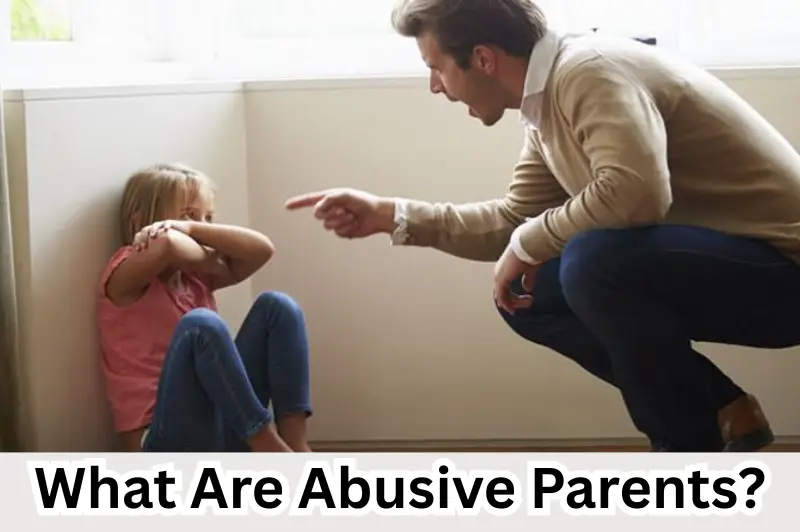
Abusive parents are caregivers who repeatedly engage in behaviors that physically, emotionally, sexually, or psychologically harm their children. Abuse may happen openly or in subtle ways that are difficult to recognize.
Not every strict or demanding parent is abusive. Healthy parenting includes discipline, guidance, and boundaries without intimidation, humiliation, or violence.
Abusive parenting often creates an environment where children feel unsafe, unloved, or constantly afraid of making mistakes.
Types of Abuse by Parents
Emotional Abuse
Emotional abuse attacks a child’s confidence, identity, and sense of safety.
Examples include:
- Constant criticism
- Humiliation
- Manipulation
- Threats
- Gaslighting
- Silent treatment
- Making a child feel unwanted
Unlike physical abuse, emotional abuse leaves invisible wounds that may last for years.
Physical Abuse
Physical abuse includes intentionally causing physical harm.
Examples include:
- Hitting
- Slapping
- Punching
- Kicking
- Burning
- Choking
- Throwing objects
Children who experience physical abuse often live in constant fear of punishment.
Verbal Abuse
Words can be deeply damaging.
Verbal abuse includes:
- Name-calling
- Insults
- Constant yelling
- Public humiliation
- Threatening abandonment
- Mocking appearance or abilities
Repeated verbal attacks can destroy self-esteem and emotional security.
Neglect
Neglect occurs when parents consistently fail to meet a child’s basic needs.
This may include failing to provide:
- Food
- Clothing
- Medical care
- Education
- Emotional support
- Safe supervision
Neglect can affect both physical health and emotional development.
Controlling Behavior
Some abusive parents control every part of a child’s life.
Examples include:
- Monitoring every activity
- Isolating children from friends
- Using guilt to gain obedience
- Invading privacy
- Refusing age-appropriate independence
Control becomes abusive when it creates fear instead of safety.
Signs You May Have Abusive Parents
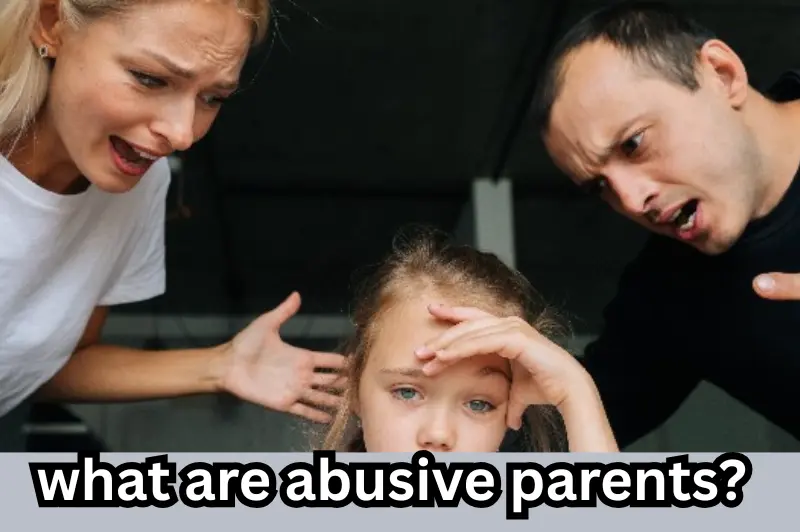
Recognizing abuse is often difficult because many survivors grow up believing their experiences were normal.
Common signs include:
- Feeling scared around your parents
- Walking on eggshells
- Constant anxiety
- Low confidence
- Feeling responsible for your parents’ emotions
- Being afraid to express opinions
- Feeling guilty for setting boundaries
- Being frequently insulted or humiliated
- Living with unpredictable anger
- Feeling emotionally exhausted after interactions
If several of these patterns occurred regularly during childhood, they may indicate an abusive environment.
Long-Term Effects of Abusive Parents
The effects of abuse often continue long after childhood.
Mental Health Effects
People raised by abusive parents may experience:
- Anxiety
- Depression
- PTSD
- Panic attacks
- Chronic stress
- Emotional numbness
Relationship Problems
Childhood abuse can make healthy relationships difficult.
Some survivors struggle with:
- Trust
- Fear of abandonment
- People-pleasing
- Difficulty saying no
- Fear of conflict
Low Self-Esteem
Many survivors grow up believing they are:
- Not good enough
- Unlovable
- A burden
- Responsible for everyone else’s happiness
These beliefs often continue into adulthood unless addressed.
Physical Health
Long-term stress may contribute to:
- Sleep problems
- Headaches
- Digestive issues
- High stress levels
- Fatigue
Difference Between Strict Parents and Abusive Parents
| Strict Parents | Abusive Parents |
|---|---|
| Set healthy rules | Use fear to control |
| Discipline respectfully | Humiliate or threaten |
| Correct behavior | Attack the child’s character |
| Show love consistently | Love feels conditional |
| Encourage growth | Create fear and insecurity |
Being strict is not automatically abusive. The difference lies in whether discipline is respectful, consistent, and focused on teaching rather than harming.
Why Some Parents Become Abusive
Understanding the reasons behind abusive behavior does not excuse it.
Some contributing factors include:
- Childhood trauma
- Mental health conditions
- Substance misuse
- Poor emotional regulation
- Financial stress
- Lack of healthy parenting models
- Domestic violence
Many people experience these challenges without becoming abusive. Personal responsibility remains important.
Can Abusive Parents Change?
Yes, but meaningful change requires genuine effort.
Real change usually involves:
- Accepting responsibility
- Ending abusive behavior
- Attending therapy
- Learning healthy communication
- Respecting boundaries
- Consistently changing over time
Promises without lasting behavioral change rarely rebuild trust.
How to Heal After Growing Up With Abusive Parents
Healing takes time, but recovery is possible.
Acknowledge What Happened
Many survivors minimize their experiences.
Recognizing abuse is often the first step toward recovery.
Set Healthy Boundaries
Boundaries help protect your emotional health.
You may choose to:
- Limit conversations
- Decline harmful interactions
- Leave abusive situations
- Reduce or end contact if necessary
Seek Professional Support
A licensed mental health professional can help process childhood trauma and develop healthier coping strategies.
Therapy may include:
- Trauma-informed therapy
- Cognitive Behavioral Therapy (CBT)
- Dialectical Behavior Therapy (DBT)
- Family therapy when appropriate
Build Healthy Relationships
Supportive friends, partners, mentors, and community members can help rebuild trust and confidence.
Practice Self-Compassion
Recovery is not about blaming yourself.
Replace self-criticism with realistic and compassionate thinking.
Common Mistakes Survivors Make
Avoid these common challenges during healing:
- Ignoring your feelings
- Excusing repeated abuse
- Feeling guilty for setting boundaries
- Expecting instant healing
- Comparing your trauma to others
- Trying to change abusive parents yourself
Recovery focuses on changing your responses—not controlling someone else’s behavior.
Tips for Protecting Your Mental Health
- Practice mindfulness.
- Prioritize adequate sleep.
- Exercise regularly.
- Journal your emotions.
- Learn assertive communication.
- Build supportive relationships.
- Limit exposure to toxic interactions.
- Seek professional help when needed.
Small, consistent habits often create meaningful progress over time.
When Should You Seek Help?
Professional support is recommended if childhood abuse continues to affect your daily life.
Consider seeking help if you experience:
- Severe anxiety
- Depression
- Flashbacks
- Panic attacks
- Self-destructive behaviors
- Difficulty maintaining relationships
- Ongoing emotional distress
Early support can improve long-term emotional well-being.
Helpful Resource
For reliable information about child abuse prevention and support, visit the World Health Organization (WHO):
https://www.who.int
Frequently Asked Questions
Can emotional abuse be as harmful as physical abuse?
Yes. Emotional abuse can significantly affect mental health, self-esteem, relationships, and emotional development. Its effects may continue well into adulthood, even when there are no visible physical injuries.
Is it okay to cut contact with abusive parents?
Every situation is different. Some people choose limited contact, while others decide that no contact is the healthiest option. The decision should prioritize your safety and emotional well-being.
Can abusive parents love their children?
Some abusive parents may genuinely love their children but lack healthy parenting skills or emotional regulation. However, love does not excuse abusive behavior or remove its harmful effects.
Can therapy help adults who experienced childhood abuse?
Yes. Trauma-informed therapy can help individuals process painful experiences, improve emotional regulation, build healthier relationships, and develop effective coping strategies.
Can the cycle of abuse be broken?
Absolutely. With self-awareness, therapy, healthy relationships, and intentional parenting practices, many people successfully break the cycle and create safer environments for future generations.
Conclusion
Growing up with abusive parents can have lasting effects on mental health, relationships, and self-esteem, but healing is possible. Recognizing abusive patterns is the first step toward recovery. Whether the abuse was emotional, physical, verbal, or involved neglect, your experiences matter, and support is available. By setting healthy boundaries, seeking professional guidance, and practicing self-compassion, you can move toward a healthier, more fulfilling life. Remember that abuse is never your fault, and asking for help is a sign of strength, not weakness.