Vaping withdrawal symptoms can begin within hours of stopping nicotine use and may affect both your body and mind. If you’ve decided to quit vaping—or you’re supporting someone who has—you may notice cravings, mood changes, trouble sleeping, or difficulty concentrating. These symptoms are a normal part of recovery and usually improve over time.
Understanding what withdrawal feels like, why it happens, and how to cope with it can make the quitting process less overwhelming. This guide explains the most common vaping withdrawal symptoms, their timeline, practical coping strategies, and when professional support may help.
What Are Vaping Withdrawal Symptoms?
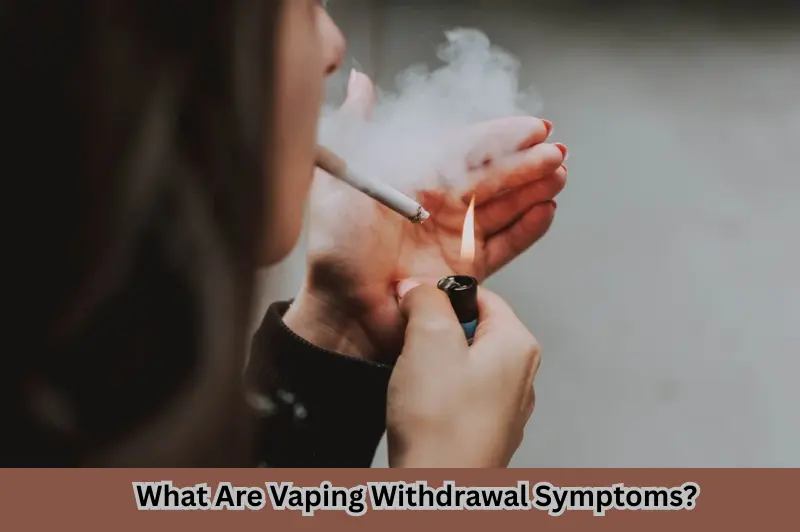
Vaping withdrawal symptoms are physical and emotional reactions that occur when your body adjusts to functioning without nicotine. Nicotine is a highly addictive substance that changes the way the brain releases chemicals such as dopamine, which plays a role in pleasure and reward.
When nicotine use stops, the brain needs time to adapt. During this adjustment period, withdrawal symptoms develop. Although they can be uncomfortable, they are generally temporary and improve as the body recovers.
Withdrawal symptoms vary from person to person based on several factors, including:
- How long you have vaped
- The nicotine strength of your vape
- How frequently you vape
- Your age and overall health
- Previous attempts to quit nicotine
Knowing what to expect helps many people stay committed during the most challenging days.
Why Does Nicotine Withdrawal Happen?
Nicotine quickly reaches the brain after inhalation. Over time, repeated exposure causes the brain to rely on nicotine to release dopamine.
Once nicotine is no longer available, dopamine levels temporarily decrease. This can lead to cravings, irritability, anxiety, and other withdrawal symptoms until the brain gradually restores its natural balance.
This adjustment is a sign that your body is healing—not that quitting is failing.
Common Vaping Withdrawal Symptoms
Most people experience a combination of physical, emotional, and cognitive symptoms after quitting vaping.
Physical Symptoms
Physical withdrawal often appears first and usually improves within a few weeks.
Common symptoms include:
- Strong nicotine cravings
- Headaches
- Increased appetite
- Fatigue
- Mild dizziness
- Sweating
- Digestive changes, such as constipation
- Dry mouth
- Temporary cough as the lungs begin clearing mucus
Although these symptoms can feel uncomfortable, they are generally not dangerous.
Emotional Symptoms
Many people notice emotional changes because nicotine has been affecting brain chemistry for months or even years.
These symptoms may include:
- Irritability
- Anxiety
- Restlessness
- Mood swings
- Frustration
- Feeling overwhelmed
- Low mood
These emotional changes usually become less intense as the brain adapts to life without nicotine.
Mental Symptoms
Withdrawal can also affect thinking and concentration.
Some people experience:
- Difficulty focusing
- Brain fog
- Reduced motivation
- Forgetfulness
- Slower thinking during the first several days
These changes are temporary and usually improve with adequate sleep, hydration, and healthy daily habits.
How Long Do Vaping Withdrawal Symptoms Last?
The withdrawal timeline differs for everyone, but most people follow a similar pattern.
| Time After Quitting | What You May Experience |
|---|---|
| 4–24 hours | Nicotine cravings begin, irritability may develop |
| 1–3 days | Symptoms often reach their peak, including cravings, anxiety, and headaches |
| 1–4 weeks | Most physical symptoms gradually improve |
| 1–3 months | Emotional stability and concentration continue improving, although occasional cravings may remain |
Certain situations—such as stress, social events, or seeing others vape—can trigger cravings even months later. Learning healthy coping skills helps reduce the risk of returning to vaping.
Signs Your Body Is Recovering
Withdrawal symptoms can make quitting feel difficult, but positive changes begin surprisingly quickly.
As nicotine leaves your body, you may notice:
- Improved breathing
- Better sense of taste and smell
- Reduced exposure to harmful chemicals found in vape aerosols
- Increased energy over time
- Improved circulation
- Better overall lung function with continued nicotine-free living
These improvements happen gradually, even if withdrawal symptoms temporarily make you feel worse.
Factors That Affect Withdrawal Severity
Not everyone experiences vaping withdrawal symptoms in the same way.
Several factors influence how intense symptoms become.
Nicotine Strength
Higher nicotine concentrations usually lead to stronger withdrawal symptoms after quitting.
Frequency of Vaping
People who vape throughout the day often experience more noticeable cravings than occasional users.
Duration of Use
Someone who has vaped for several years may require more time to adjust compared with someone who recently started.
Mental Health
Stress, anxiety disorders, depression, or other mental health conditions may make withdrawal feel more challenging. Addressing both nicotine dependence and emotional well-being often improves quitting success.
Support System
People with encouragement from family, friends, healthcare professionals, or support groups often find it easier to stay motivated during withdrawal.
Practical Ways to Manage Vaping Withdrawal Symptoms
There is no single solution that eliminates every withdrawal symptom, but several evidence-based strategies can make quitting more manageable.
1. Identify Your Triggers
Notice when cravings happen most often.
Common triggers include:
- Drinking coffee
- Stressful situations
- Driving
- Social gatherings
- After meals
- Feeling bored
Recognizing patterns allows you to prepare healthier alternatives.
2. Stay Hydrated
Drinking enough water may help relieve dry mouth and encourages healthy daily habits while recovering from nicotine dependence.
3. Keep Your Hands Busy
Many people miss the habit of holding a vape as much as the nicotine itself.
Helpful alternatives include:
- Stress balls
- Pens
- Fidget tools
- Journaling
- Drawing
Replacing the physical habit can reduce automatic urges to vape.
4. Stay Physically Active
Exercise doesn’t eliminate withdrawal, but it can temporarily reduce cravings while improving mood.
Even a 20-minute walk may help relieve stress and improve focus.
5. Prioritize Sleep
Poor sleep can increase irritability and make cravings harder to manage.
Aim for a consistent sleep schedule by:
- Limiting caffeine later in the day
- Avoiding screens before bedtime
- Keeping your bedroom cool and quiet
Better rest supports emotional recovery and concentration.
Continue: Practical Ways to Manage Vaping Withdrawal Symptoms
6. Eat Balanced Meals
Nicotine can suppress appetite, so it’s common to feel hungrier after quitting. Choosing nutritious meals and healthy snacks can help manage increased hunger without relying on processed foods.
Good options include:
- Fresh fruits and vegetables
- Whole grains
- Lean protein
- Nuts and seeds
- Yogurt
Eating regular meals also helps maintain steady energy levels throughout the day.
7. Practice Stress Management
Stress is one of the most common reasons people return to vaping. Developing healthy coping strategies can make withdrawal easier.
Try techniques such as:
- Deep breathing exercises
- Mindfulness or meditation
- Gentle yoga
- Listening to calming music
- Spending time outdoors
- Talking with supportive friends or family
Replacing vaping with healthier stress-management habits can improve long-term success.
8. Consider Nicotine Replacement Therapy (NRT)
For some people, nicotine replacement therapy (NRT) can reduce withdrawal symptoms and cravings. Products such as nicotine patches, gum, lozenges, inhalers, or nasal sprays provide controlled amounts of nicotine without exposing users to many of the harmful chemicals found in tobacco smoke.
NRT isn’t right for everyone, so it’s best to discuss your options with a healthcare professional before starting treatment.
When Should You Seek Professional Help?
While many people successfully quit vaping on their own, professional support may be beneficial if:
- Withdrawal symptoms feel overwhelming.
- You repeatedly return to vaping after trying to quit.
- Nicotine cravings interfere with work, school, or relationships.
- Anxiety or depression significantly worsens after quitting.
- You use vaping alongside other substances.
A healthcare provider or mental health professional can recommend evidence-based treatments, counseling, or medications when appropriate.
Common Mistakes People Make When Quitting Vaping
Quitting nicotine is challenging, and setbacks are common. Avoiding these mistakes may improve your chances of success.
Expecting Withdrawal to End Overnight
Withdrawal usually peaks within the first few days but may take several weeks to fully improve. Being patient with the process is important.
Ignoring Triggers
Returning to familiar situations without a plan can increase cravings. Identify your triggers and prepare healthier responses.
Replacing Vaping with Another Unhealthy Habit
Some people replace vaping with excessive sugary snacks or alcohol. Instead, choose activities that support your overall health.
Trying to Do Everything Alone
Support from family, friends, healthcare professionals, or support groups can make quitting more manageable.
Viewing a Slip as Failure
If you vape once after quitting, it doesn’t mean you’ve failed. Many people require multiple attempts before quitting successfully. Learn from the experience and continue your recovery plan.
Tips for Supporting Someone Experiencing Vaping Withdrawal
If someone you care about is quitting vaping, your support can make a meaningful difference.
Helpful ways to support them include:
- Be patient during mood changes.
- Encourage healthy routines.
- Celebrate small milestones.
- Avoid judgment or criticism.
- Suggest professional help if they’re struggling.
A supportive environment often increases motivation and confidence.
Vaping Withdrawal Symptoms vs. Nicotine Withdrawal from Smoking
Although vaping and smoking involve different products, nicotine withdrawal is very similar because nicotine is the addictive substance in both.
| Feature | Vaping Withdrawal | Smoking Withdrawal |
|---|---|---|
| Main cause | Stopping nicotine from e-cigarettes | Stopping nicotine from cigarettes |
| Common cravings | Yes | Yes |
| Mood changes | Common | Common |
| Difficulty concentrating | Common | Common |
| Increased appetite | Common | Common |
| Timeline | Similar | Similar |
The intensity of symptoms depends more on nicotine dependence than on whether nicotine came from cigarettes or e-cigarettes.
Long-Term Benefits of Quitting Vaping
Although withdrawal symptoms are temporary, the benefits of quitting continue for months and years.
Potential long-term benefits include:
- Reduced nicotine dependence
- Better lung health
- Improved breathing
- Better physical fitness
- Improved sense of taste and smell
- Financial savings from no longer purchasing vaping products
- Greater control over daily habits
- Lower exposure to potentially harmful chemicals found in vape aerosols
Many people also report feeling more confident after overcoming nicotine addiction.
Internal Linking Opportunity
If you’re exploring ways to improve your mental and physical well-being after quitting nicotine, you may also find our resources on [INTERNAL LINKS] helpful. These related articles offer practical guidance on managing anxiety, building healthier coping skills, improving emotional wellness, and finding professional support during recovery.
Trusted External Resource
For evidence-based information about quitting nicotine and understanding withdrawal, visit the Centers for Disease Control and Prevention (CDC): https://www.cdc.gov/tobacco/quit_smoking/index.htm
Frequently Asked Questions
1. What are the first vaping withdrawal symptoms?
The first symptoms usually appear within several hours after your last vape. Many people notice nicotine cravings, irritability, restlessness, anxiety, and difficulty concentrating. These early symptoms are a normal response as your body begins adjusting to life without nicotine.
2. How long do vaping withdrawal symptoms usually last?
Most withdrawal symptoms peak within one to three days after quitting and gradually improve over the following two to four weeks. Some psychological cravings may continue for several months, especially during stressful situations or familiar vaping routines.
3. Can vaping withdrawal cause anxiety?
Yes. Anxiety is one of the most commonly reported withdrawal symptoms because nicotine affects brain chemicals involved in mood regulation. The anxiety is usually temporary and often improves as the brain adapts to functioning without nicotine.
4. Is it normal to feel tired after quitting vaping?
Yes. Fatigue is a common withdrawal symptom during the first few days or weeks. Your body is adjusting to the absence of nicotine, which previously acted as a stimulant. Getting enough sleep, staying hydrated, and exercising regularly may help improve energy levels.
5. Should I see a doctor for vaping withdrawal?
Most people can manage withdrawal symptoms at home. However, you should speak with a healthcare professional if symptoms become severe, you struggle with repeated quit attempts, or your mental health significantly worsens after quitting.
Conclusion
Vaping withdrawal symptoms are a normal part of recovering from nicotine dependence. While cravings, irritability, anxiety, headaches, and difficulty concentrating can be challenging, these symptoms are usually temporary and improve with time. Understanding the withdrawal timeline, preparing for common triggers, and using healthy coping strategies can make quitting more manageable.
If withdrawal feels difficult to handle alone, don’t hesitate to seek support from a healthcare professional or a qualified mental health provider. Every nicotine-free day is a meaningful step toward better physical and emotional health.