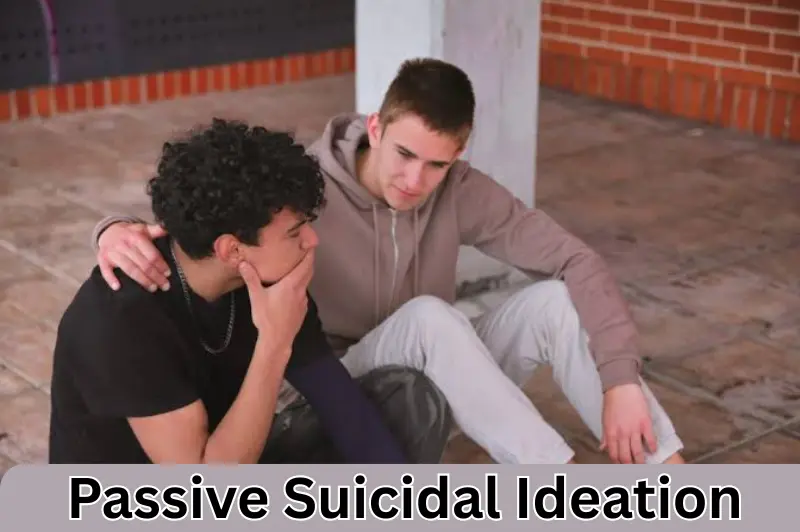

Passive suicidal ideation refers to thoughts about death or a wish not to be alive without having a current intention or plan to end one’s life. Although these thoughts may seem less urgent than active suicidal thoughts, they should always be taken seriously because they can be associated with depression and other mental health conditions.
This article explains what passive suicidal ideation is, how it differs from active suicidal ideation, common causes, warning signs, treatment options, and when to seek professional or emergency support.
What Is Passive Suicidal Ideation?
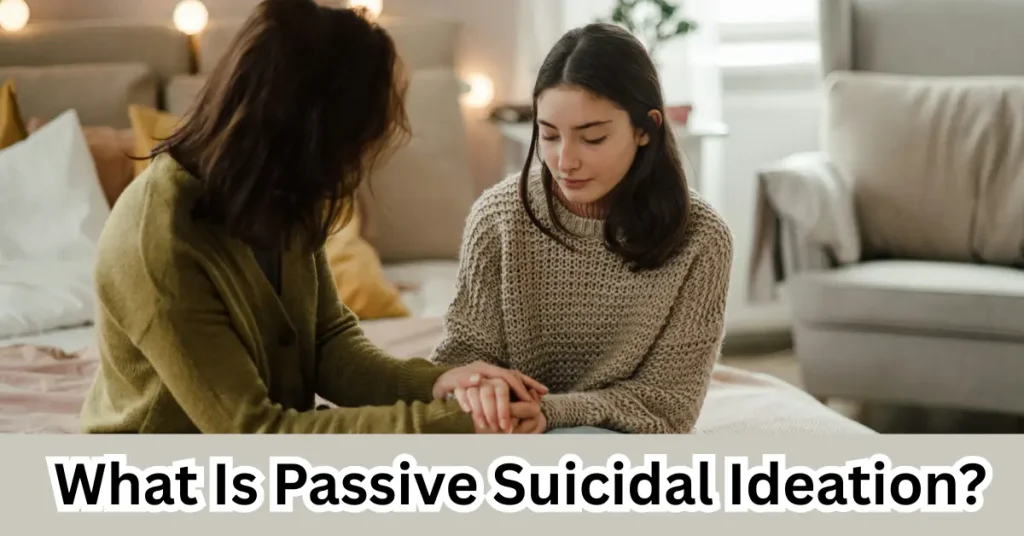
Passive suicidal ideation involves thoughts such as wishing you would not wake up or believing others might be better off without you, but without a current plan or intent to act on those thoughts.
These thoughts can occur occasionally or persist over time. They are often linked to mental health conditions including:
- Depression
- Anxiety disorders
- Trauma-related disorders
- Chronic stress
- Grief
- Chronic physical illness
Having passive suicidal thoughts does not mean someone will act on them, but it does indicate emotional distress that deserves professional attention.
Passive vs. Active Suicidal Ideation
| Passive Suicidal Ideation | Active Suicidal Ideation |
|---|---|
| Thoughts about not wanting to live | Thoughts about ending one’s life |
| No current intent or plan | May involve intent, planning, or preparation |
| Still requires professional evaluation | Requires immediate professional assessment and may require emergency intervention |
Common Signs
Someone experiencing passive suicidal ideation may:
- Frequently think about death
- Feel hopeless about the future
- Believe life has no purpose
- Feel like a burden
- Withdraw from friends and family
- Lose interest in activities they once enjoyed
- Experience ongoing sadness or emotional numbness
These signs can vary from person to person.
What Causes Passive Suicidal Ideation?
There is rarely a single cause. Instead, several factors often contribute together.
Common contributing factors include:
- Major depressive disorder
- Anxiety disorders
- Trauma or PTSD
- Significant life changes
- Relationship difficulties
- Financial stress
- Chronic pain or illness
- Substance misuse
- Social isolation
A mental health professional can help identify the underlying causes and recommend appropriate treatment.
How Is It Treated?
Treatment depends on the individual’s needs and may include:
Therapy
Evidence-based therapies such as Cognitive Behavioral Therapy (CBT) and Dialectical Behavior Therapy (DBT) can help people manage distressing thoughts, build coping skills, and improve emotional regulation.
Medication
For some people, medications prescribed by a qualified healthcare provider may help treat underlying conditions such as depression or anxiety.
Lifestyle Support
Healthy routines can support recovery alongside professional treatment, including:
- Regular sleep
- Balanced nutrition
- Physical activity
- Maintaining social connections
- Stress-management techniques
When Should Someone Seek Help?
If passive suicidal thoughts are frequent, becoming more intense, or interfering with daily life, it’s important to talk with a mental health professional as soon as possible.
If thoughts change from passive to active, or if someone feels they may act on them, seek immediate emergency help or contact local emergency services right away.
Supporting Someone Experiencing Passive Suicidal Ideation
If someone you care about shares these thoughts:
- Listen calmly without judgment.
- Let them know they are not alone.
- Encourage them to contact a mental health professional.
- Offer practical support, such as helping them schedule an appointment.
- If they appear to be in immediate danger, contact emergency services or stay with them until help is available.
Frequently Asked Questions
Is passive suicidal ideation common?
It can occur in people experiencing depression, anxiety, trauma, grief, or significant stress. It should always be taken seriously and discussed with a healthcare professional.
Does passive suicidal ideation always become active?
No. Many people never develop active suicidal thoughts. However, changes in stress, mental health, or life circumstances can increase risk, which is why professional support is important.
Can therapy help?
Yes. Evidence-based therapies such as CBT and DBT are commonly used to help people understand their thoughts, reduce distress, and develop healthier coping strategies.
Should I tell someone if I’m experiencing these thoughts?
Yes. Talking with a trusted healthcare provider, therapist, or another trusted adult can be an important first step toward getting support and treatment.
Is recovery possible?
Yes. With appropriate treatment, social support, and ongoing care, many people experience significant improvement and go on to lead fulfilling lives.
Conclusion
Passive suicidal ideation is a sign of emotional distress that deserves compassion and professional attention. While it does not necessarily mean someone intends to act on these thoughts, it should never be ignored. Early support from a qualified mental health professional, along with evidence-based treatment and a strong support system, can make a meaningful difference.
Authoritative reference: The World Health Organization (WHO) provides reliable information about suicide prevention and mental health: https://www.who.int/health-topics/suicide