Schizotypal personality disorder (STPD) is a mental health condition that affects how a person thinks, behaves, and relates to others. People with this condition often experience unusual beliefs, eccentric behavior, social anxiety, and difficulty forming close relationships. While they may appear similar to people with schizophrenia in some ways, they usually do not experience persistent psychosis or lose touch with reality.
This article explains including its symptoms, causes, diagnosis, treatment options, coping strategies, and when to seek professional support. You’ll also learn how STPD differs from other personality disorders and psychotic disorders.
What Is Schizotypal Personality Disorder?
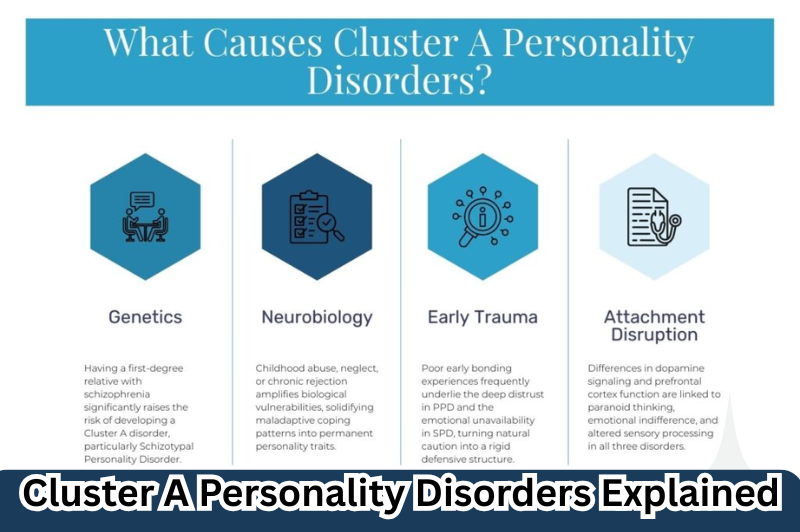
Cluster A personality disorder, a group of conditions characterized by unusual or eccentric patterns of thinking and behavior.
People with STPD often:
- Feel uncomfortable in close relationships.
- Interpret everyday events in unusual ways.
- Have odd speech or behavior.
- Experience persistent social anxiety.
- Hold beliefs that others may consider unusual, such as magical thinking or superstitions.
Unlike schizophrenia, people with generally recognize reality, although their perceptions and interpretations may be unusual.
Symptoms of Schizotypal Personality Disorder
The symptoms usually begin by early adulthood and may vary in severity.
Common symptoms include:
- Intense social anxiety that does not improve with familiarity.
- Few or no close friendships outside immediate family.
- Odd beliefs or magical thinking.
- Suspiciousness or mild paranoid thoughts.
- Unusual speech patterns.
- Peculiar appearance or behavior.
- Flat or limited emotional expression.
- Unusual perceptual experiences, such as feeling a presence nearby.
- Difficulty understanding social cues.
- Misinterpreting harmless situations as personally meaningful.
Example
A person may believe that certain numbers bring special powers or feel convinced that strangers are sending hidden messages through casual conversations, even though there is no evidence to support these beliefs.
How Is Schizotypal Personality Disorder Different From Schizophrenia?
Although the names sound similar, these conditions are not the same.
| Feature | Schizotypal Personality Disorder | Schizophrenia |
|---|---|---|
| Reality testing | Usually maintained | Often significantly impaired during psychosis |
| Hallucinations | Rare and brief | Common during active episodes |
| Delusions | Mild or unusual beliefs | Persistent false beliefs |
| Personality pattern | Lifelong personality traits | Serious psychiatric illness with psychotic episodes |
| Daily functioning | Often impaired socially | Can affect multiple areas of functioning |
Some people with STPD may later develop schizophrenia or another psychotic disorder, but most do not.
What Causes Schizotypal Personality Disorder?
There is no single cause. Experts believe multiple factors contribute.
Genetics
People with a family history of schizophrenia or related disorders may have a higher risk.
Brain Function
Differences in brain structure and communication between brain regions may influence symptoms.
Childhood Experiences
Stressful childhood experiences, neglect, trauma, or unstable family environments may increase vulnerability, although they do not directly cause the disorder.
Environmental Factors
Long-term stress and social isolation may worsen existing symptoms.
Risk Factors
Several factors may increase the likelihood of developing
- Family history of schizophrenia spectrum disorders
- Childhood trauma
- Emotional neglect
- Chronic stress
- Social isolation
- Genetic predisposition
Having one or more risk factors does not guarantee someone will develop STPD.
How Is Schizotypal Personality Disorder Diagnosed?
Diagnosis requires a comprehensive mental health evaluation by a qualified psychiatrist, psychologist, or licensed mental health professional.
The evaluation may include:
- Personal and family medical history
- Mental health history
- Behavioral observations
- Interviews about thoughts, emotions, and relationships
- Assessment using established diagnostic criteria
Because symptoms overlap with anxiety disorders, autism spectrum disorder, schizophrenia, and other personality disorders, careful evaluation is important.
Treatment for Schizotypal Personality Disorder
Although there is no cure, treatment can significantly improve daily functioning and quality of life.
Psychotherapy
Talk therapy is usually the first-line treatment.
Helpful approaches include:
- Cognitive behavioral therapy (CBT)
- Supportive therapy
- Social skills training
- Family therapy when appropriate
Therapy helps individuals recognize unhelpful thinking patterns, improve communication, and develop healthier relationships.
Medication
There is no medication specifically approved for schizotypal personality disorder.
However, healthcare providers may prescribe medication to manage symptoms such as:
- Anxiety
- Depression
- Brief psychotic symptoms
- Mood instability
Medication decisions should always be made by a licensed healthcare professional.
Living With Schizotypal Personality Disorder
Many people with STPD can lead meaningful lives with appropriate treatment and support.
Helpful strategies include:
- Attend therapy consistently.
- Build a predictable daily routine.
- Practice stress-management techniques.
- Develop social skills gradually.
- Stay physically active.
- Maintain healthy sleep habits.
- Avoid alcohol and recreational drugs that may worsen symptoms.
- Stay connected with trusted family members or friends.
Progress often happens gradually rather than overnight.
Practical Tips for Family Members
Supporting someone with schizotypal personality disorder requires patience and understanding.
Consider these tips:
- Listen without immediately challenging unusual beliefs.
- Encourage professional treatment.
- Respect personal boundaries.
- Communicate clearly and calmly.
- Learn about the condition.
- Recognize improvements, even small ones.
- Seek support for yourself if caregiving becomes stressful.
Common Mistakes to Avoid
When managing schizotypal personality disorder, avoid these common pitfalls:
- Assuming the person is “just shy.”
- Ignoring symptoms because they appear mild.
- Expecting rapid improvement.
- Arguing aggressively about unusual beliefs.
- Stopping treatment without consulting a healthcare provider.
- Isolating from supportive relationships.
Early intervention often leads to better long-term outcomes.
When Should You Seek Professional Help?
Professional evaluation is recommended if someone experiences:
- Persistent social isolation
- Unusual beliefs affecting daily life
- Severe anxiety around people
- Difficulty maintaining work or school responsibilities
- Problems forming relationships
- Increasing suspiciousness
- Depression or thoughts of self-harm
Prompt treatment can improve functioning and reduce complications.
Internal Resources
Schizophrenia Treatment Personality DisordersTrusted External Resource
Learn more in our Anxiety Disorders Guide.
Related Mental Health Resources
Learn more about related mental health conditions by reading our guides on Anxiety Disorders and Online Therapy. These resources provide additional support and treatment information that complements this guide on schizotypal personality disorder.
Frequently Asked Questions
1. Is schizotypal personality disorder the same as schizophrenia?
No. Although the two conditions share some features, schizotypal personality disorder is a personality disorder, while schizophrenia is a psychotic disorder. People with STPD generally remain connected to reality despite unusual thoughts or beliefs.
2. Can schizotypal personality disorder be cured?
There is currently no cure. However, psychotherapy, supportive care, and treatment of related symptoms can greatly improve daily functioning, relationships, and overall quality of life.
3. What age does schizotypal personality disorder usually appear?
Symptoms typically become noticeable during late adolescence or early adulthood. Some unusual personality traits may be observed earlier, but diagnosis generally occurs in adulthood after careful evaluation.
4. Can someone with schizotypal personality disorder have healthy relationships?
Yes. Although forming close relationships can be challenging, many people with STPD develop meaningful friendships and family connections through therapy, improved communication skills, and ongoing support.
5. Is medication always necessary?
Not always. Many people benefit primarily from psychotherapy. Medication may be recommended if anxiety, depression, or other significant symptoms interfere with daily functioning.
Conclusion
Schizotypal personality disorder is a complex but manageable mental health condition characterized by unusual thinking patterns, social discomfort, and eccentric behavior. While it can make relationships and daily life more challenging, effective treatment—including psychotherapy, healthy coping strategies, and supportive relationships—can improve functioning and overall well-being. If you or someone you know is experiencing persistent symptoms, seeking an evaluation from a qualified mental health professional is an important first step toward appropriate care.