

Introduction
Abandonment issues are emotional struggles that develop when a person fears being left, rejected, ignored, or emotionally disconnected from important people in their life. These feelings can begin during childhood due to experiences such as neglect, separation, divorce, inconsistent caregiving, or the loss of a loved one. However, abandonment issues can also develop during adulthood after painful experiences like breakups, betrayal, or the sudden end of meaningful relationships.
Many people experience some level of fear when it comes to losing relationships. However, abandonment issues go beyond normal concerns. They can influence thoughts, emotions, behaviors, and decision-making in everyday life. Individuals with abandonment fears may become overly attached, constantly seek reassurance, struggle with trust, or avoid relationships altogether to protect themselves from emotional pain.
Understanding abandonment issues is important because they affect mental health, self-esteem, communication, and relationship satisfaction. The good news is that these challenges can be managed and improved with awareness, self-reflection, emotional healing, and healthy coping strategies.
This comprehensive guide explains what abandonment issues are, why they matter, how they develop, and practical steps to overcome them. Whether you are experiencing these feelings yourself or trying to understand someone you care about, this article provides valuable insights and actionable advice to help create stronger emotional foundations and healthier relationships.
What Are Abandonment Issues?
Abandonment issues refer to persistent fears, anxieties, or emotional wounds related to being left behind, rejected, or emotionally disconnected from important people. These fears often stem from past experiences that created feelings of insecurity and uncertainty about relationships. A person may constantly worry that loved ones will leave them, lose interest in them, or stop caring about them.
These issues can appear in many different ways. Some individuals become extremely dependent on relationships and seek constant reassurance, while others avoid emotional closeness because they fear getting hurt. Abandonment issues are not a formal mental health diagnosis, but they are commonly associated with attachment difficulties, anxiety, low self-esteem, and relationship challenges.
People experiencing abandonment fears often interpret normal relationship events as signs of rejection. A delayed text message, a canceled plan, or a disagreement may trigger intense emotional reactions. Over time, these patterns can create stress and strain within personal, romantic, and professional relationships.
Understanding abandonment issues is the first step toward healing. Once people recognize the source of their fears and emotional reactions, they can begin developing healthier relationship habits and emotional resilience.
Why Are Abandonment Issues Important?
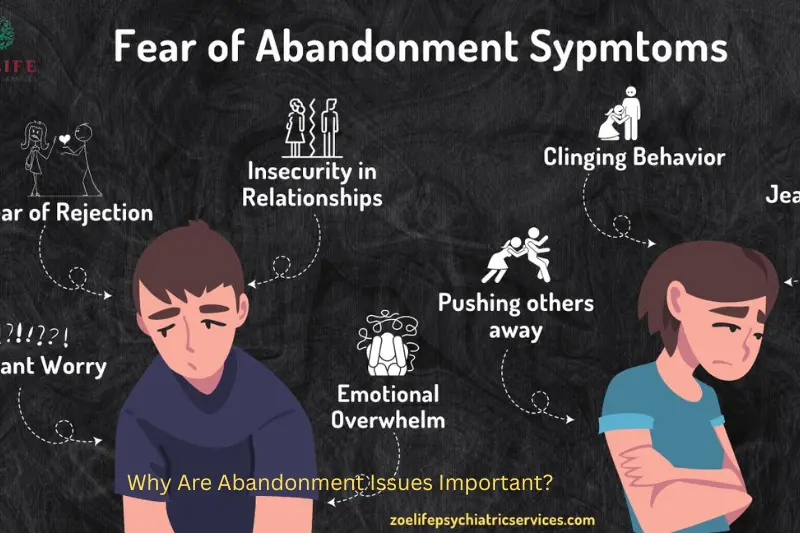
Abandonment issues significantly influence emotional well-being and interpersonal relationships. They affect how people connect with others, manage conflicts, and perceive themselves. Without proper understanding, these fears can create a cycle of insecurity that damages trust and intimacy.
People with unresolved abandonment fears often struggle with emotional regulation. They may become overly sensitive to rejection, experience anxiety during relationship conflicts, or have difficulty feeling secure even in healthy relationships. This can lead to misunderstandings, emotional exhaustion, and recurring relationship problems.
The importance of addressing abandonment issues lies in their impact on overall quality of life. Healthy relationships contribute to happiness, confidence, and emotional stability. When abandonment fears remain unaddressed, they can interfere with personal growth, career success, social connections, and mental health.
Recognizing and working through abandonment issues helps individuals build stronger self-esteem, improve communication skills, and create healthier emotional boundaries. It also allows them to experience relationships with greater trust, confidence, and emotional security.
Step-by-Step Guide to Understanding and Healing Abandonment Issues
Step 1: Recognize the Signs and Symptoms
The first step is identifying whether abandonment issues are affecting your life. Common signs include fear of rejection, excessive jealousy, clingy behavior, difficulty trusting others, and emotional distress when relationships change.
You may also experience overthinking, anxiety when loved ones are unavailable, people-pleasing behaviors, or a tendency to push others away before they can leave you. Awareness is essential because many people experience these patterns without realizing their underlying cause.
Step 2: Identify the Root Cause
Abandonment fears often originate from past experiences. Childhood neglect, parental separation, inconsistent caregiving, bullying, emotional abuse, or traumatic relationship experiences can contribute to these fears.
Take time to reflect on your personal history. Consider moments when you felt rejected, abandoned, or emotionally unsupported. Understanding the source of your fears helps separate past experiences from present relationships.
Step 3: Understand Attachment Styles
Attachment styles play a major role in relationship behavior. People with anxious attachment often fear abandonment and seek reassurance. Those with avoidant attachment may distance themselves emotionally to avoid potential hurt.
Learning about attachment patterns helps explain why certain situations trigger strong emotional reactions. It also provides insight into healthier ways of connecting with others.
Step 4: Challenge Negative Thoughts
Abandonment issues are often fueled by automatic negative thoughts. For example, a person may assume that a delayed response means someone is losing interest or planning to leave.
Practice questioning these assumptions. Ask yourself whether there is evidence supporting your fear or whether you are reacting based on past experiences. Replacing negative interpretations with balanced perspectives can reduce anxiety.
Step 5: Build Self-Esteem
Low self-esteem often strengthens abandonment fears. When people doubt their worth, they may believe others will eventually reject them.
Focus on recognizing your strengths, achievements, and positive qualities. Engage in activities that build confidence and reinforce self-worth. The stronger your self-esteem becomes, the less dependent you will be on external validation.
Step 6: Develop Emotional Awareness
Understanding your emotions allows you to respond thoughtfully instead of reacting impulsively. Pay attention to situations that trigger fear, anxiety, or insecurity.
Journaling, mindfulness exercises, and self-reflection can help identify emotional patterns. Greater awareness makes it easier to manage difficult feelings in healthy ways.
Step 7: Improve Communication Skills
Open communication reduces misunderstandings and relationship anxiety. Instead of assuming the worst, express your concerns respectfully and honestly.
Learning to communicate needs, boundaries, and emotions effectively strengthens trust and creates healthier relationship dynamics. Good communication also prevents fears from escalating unnecessarily.
Step 8: Create Healthy Boundaries
Healthy boundaries help maintain emotional balance. People with abandonment issues may become overly dependent on others or neglect their own needs.
Establishing clear boundaries encourages independence and self-respect. It also helps create relationships based on mutual support rather than fear or emotional dependency.
Step 9: Practice Self-Soothing Techniques
Emotional triggers can cause intense anxiety and distress. Developing self-soothing skills helps regulate emotions during challenging situations.
Deep breathing, meditation, exercise, relaxation techniques, and engaging hobbies can reduce stress and improve emotional stability. These practices strengthen resilience and reduce reliance on others for emotional comfort.
Step 10: Seek Professional Support When Needed
Therapists and counselors can provide valuable guidance for addressing abandonment issues. Professional support helps individuals process past experiences, develop coping strategies, and build healthier relationship patterns.
Therapy can be especially beneficial for those whose fears significantly impact daily life, relationships, or emotional well-being. Seeking help is a sign of strength and commitment to personal growth.
Benefits of Healing Abandonment Issues

- Improved emotional stability and resilience
- Greater confidence and self-esteem
- Healthier romantic relationships
- Stronger friendships and family connections
- Reduced anxiety and stress
- Better communication skills
- Increased trust in others
- Enhanced self-awareness
- Improved decision-making abilities
- Greater independence and personal growth
- Stronger emotional boundaries
- More satisfying and fulfilling relationships
Disadvantages and Risks of Unresolved Abandonment Issues
- Chronic relationship anxiety
- Difficulty trusting others
- Emotional dependency
- Excessive jealousy and insecurity
- Fear of commitment or intimacy
- Social isolation and loneliness
- Increased risk of depression
- Higher stress levels
- Frequent relationship conflicts
- Negative self-image
- Difficulty maintaining long-term relationships
- Emotional exhaustion and burnout
Common Mistakes to Avoid
One common mistake is assuming that every relationship challenge means someone is abandoning you. Healthy relationships naturally experience disagreements, misunderstandings, and periods of distance. Interpreting these events as rejection can create unnecessary stress and conflict.
Another mistake is relying entirely on others for emotional validation. While support from loved ones is important, emotional security should not depend solely on external reassurance. Developing self-confidence and self-worth helps create a stronger emotional foundation.
Many people also avoid discussing their fears because they worry about appearing needy or vulnerable. However, honest communication often strengthens relationships and reduces misunderstandings. Suppressing emotions can lead to resentment and emotional disconnection.
Finally, some individuals attempt to protect themselves by avoiding close relationships altogether. While this may reduce short-term anxiety, it prevents meaningful connections and long-term emotional growth. Healing involves learning to engage in relationships while managing fear in healthy ways.
Frequently Asked Questions (FAQs)
1. What causes abandonment issues?
Abandonment issues can develop from childhood experiences such as neglect, inconsistent caregiving, parental separation, emotional abuse, or loss of a loved one. They may also result from traumatic adult experiences, including betrayal, divorce, or painful breakups.
2. Are abandonment issues a mental illness?
No, abandonment issues are not considered a standalone mental illness. However, they may be associated with anxiety disorders, attachment difficulties, low self-esteem, and certain mental health conditions.
3. Can abandonment issues affect friendships?
Yes, abandonment fears can influence friendships as well as romantic relationships. Individuals may become overly dependent, seek constant reassurance, or withdraw from friends due to fear of rejection.
4. How do abandonment issues affect romantic relationships?
They can create insecurity, jealousy, trust problems, emotional dependency, and communication challenges. These patterns may cause conflicts and make it difficult to maintain healthy long-term relationships.
5. Can abandonment issues be healed?
Yes, abandonment issues can improve significantly through self-awareness, emotional healing, healthy relationship practices, and professional support when necessary. Many people learn to manage and overcome these fears successfully.
6. What are common signs of abandonment issues?
Common signs include fear of rejection, clinginess, difficulty trusting others, people-pleasing behaviors, anxiety during relationship conflicts, low self-esteem, and emotional distress when relationships change.
7. Is therapy effective for abandonment issues?
Therapy is often highly effective. It helps individuals explore past experiences, understand emotional triggers, improve coping skills, and develop healthier relationship patterns.
8. Can childhood experiences influence adult relationships?
Yes, childhood experiences often shape attachment styles and relationship expectations. Early emotional experiences can affect how individuals perceive trust, intimacy, and security in adulthood.
Expert Tips and Bonus Points
Focus on building a strong relationship with yourself before seeking validation from others. Self-confidence reduces the power of abandonment fears and creates a healthier emotional foundation.
Practice mindfulness regularly. Mindfulness helps separate current situations from past experiences and prevents emotional reactions from becoming overwhelming.
Keep a journal to track emotional triggers and recurring thought patterns. Identifying these patterns makes it easier to challenge negative beliefs and develop healthier responses.
Surround yourself with supportive and trustworthy individuals. Positive relationships provide opportunities to experience security, trust, and emotional connection.
Celebrate progress, even if it seems small. Healing from abandonment issues is a gradual process, and every step toward greater emotional security deserves recognition.
Remember that healthy relationships require vulnerability. Learning to trust others while maintaining personal boundaries creates stronger and more meaningful connections.
If you are interested in improving your emotional well-being, understanding abandonment issues is only one part of the journey. You can also explore our detailed guide on building self-esteem to learn practical strategies for developing confidence and creating healthier relationships.
Mental health professionals often recommend learning about attachment styles when addressing abandonment issues. According to research published by Psychology Today, understanding attachment patterns can help individuals improve relationship satisfaction and emotional security.
Conclusion
Abandonment issues are deeply rooted emotional fears that can affect relationships, self-esteem, and overall well-being. These fears often originate from past experiences involving loss, rejection, neglect, or emotional inconsistency. While abandonment issues can create significant challenges, they do not have to define a person’s future.
Understanding the causes and symptoms of abandonment fears is the foundation of healing. By recognizing emotional triggers, challenging negative thought patterns, improving communication, and building self-esteem, individuals can develop healthier relationships and greater emotional security. Establishing boundaries, practicing self-care, and learning effective coping strategies also play important roles in recovery.
The journey toward healing requires patience, self-compassion, and commitment. Progress may not happen overnight, but consistent effort can lead to meaningful change. Every step taken toward emotional awareness and personal growth strengthens resilience and reduces the influence of abandonment fears.
Ultimately, overcoming abandonment issues allows individuals to experience relationships with greater trust, confidence, and peace of mind. Rather than living in constant fear of rejection or loss, they can build meaningful connections based on mutual respect, understanding, and emotional security. With the right mindset and support, lasting healing and healthier relationships are entirely possible.