
Green out is a term commonly used to describe an unpleasant reaction after consuming too much cannabis. While many people associate cannabis with relaxation, taking more than your body can tolerate can lead to symptoms such as dizziness, nausea, anxiety, vomiting, sweating, and confusion.
Understanding what a green out is, why it happens, and how to respond can help reduce fear and improve safety. This guide explains the causes, symptoms, recovery steps, risk factors, prevention tips, and when it’s important to seek medical care. It also explores the relationship between cannabis use and mental health, helping readers make informed decisions.
What Is a Green Out?
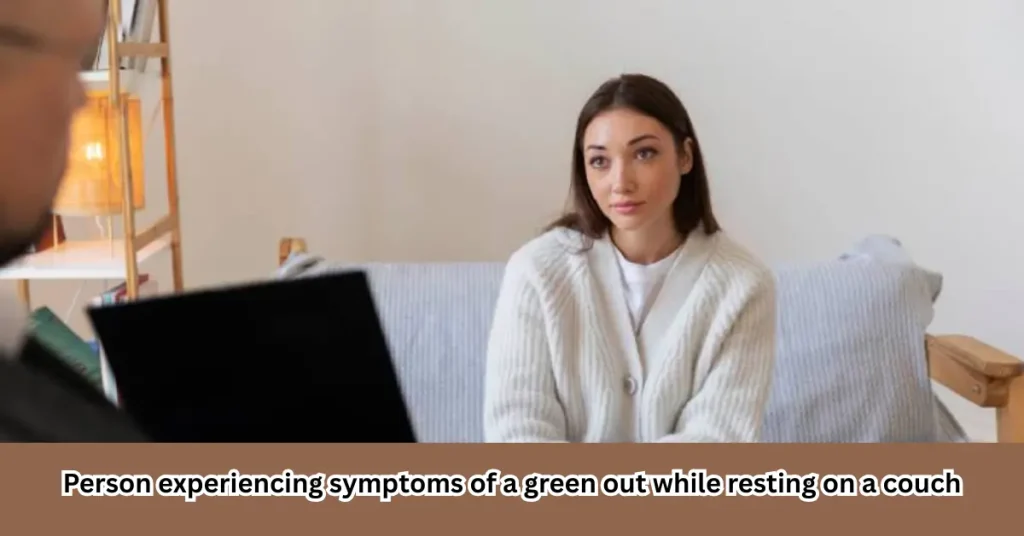
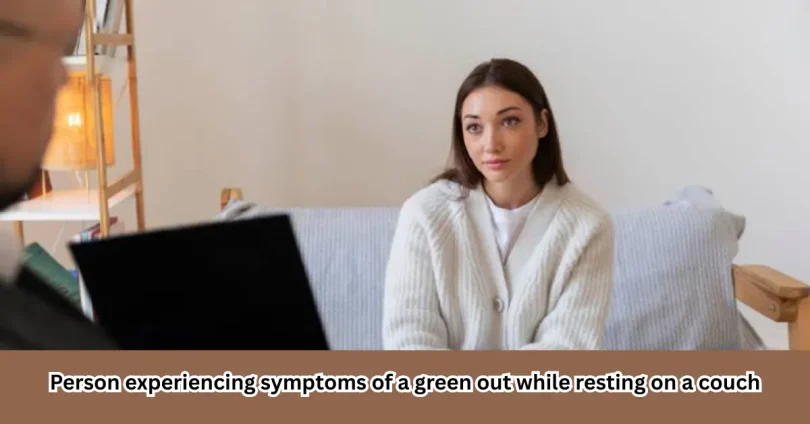
A green out is a temporary physical and psychological reaction that occurs after consuming more cannabis than the body can comfortably handle. It is not a medical diagnosis but rather a widely used informal term.
A green out can happen after using:
- Smoked cannabis
- Cannabis vapes
- Edibles
- Concentrates
- Oils or tinctures
The symptoms usually improve as the effects of THC (tetrahydrocannabinol), the primary psychoactive compound in cannabis, wear off.
Unlike an overdose from opioids, a cannabis green out is generally not life-threatening on its own. However, it can still be frightening and may require medical attention if symptoms become severe or involve injury, dehydration, or underlying health conditions.
What Causes a Green Out?
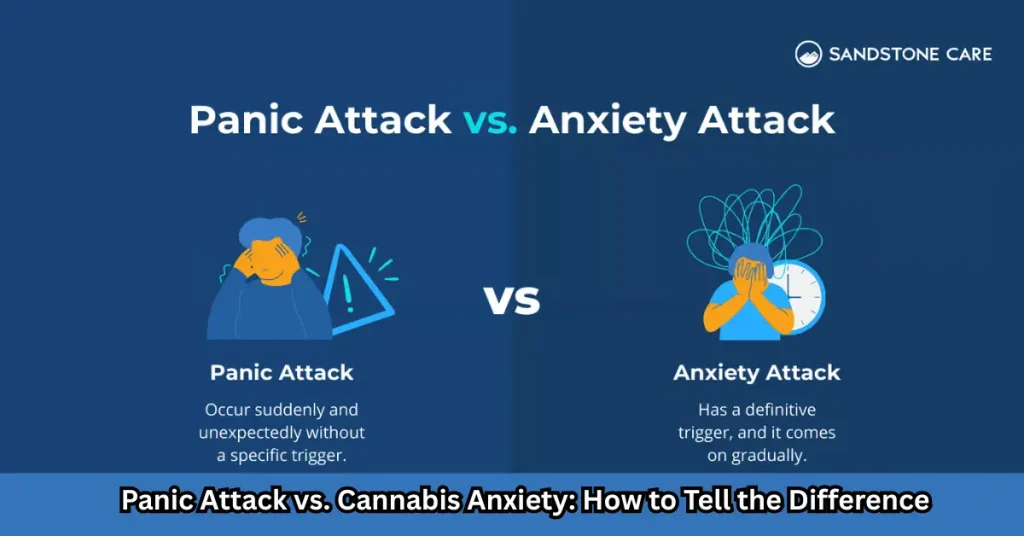
A green out typically happens when THC affects the body’s nervous system more strongly than expected.
Common causes include:
- Consuming too much cannabis too quickly
- Eating high-dose THC edibles
- Using potent cannabis concentrates
- Mixing cannabis with alcohol
- Low cannabis tolerance
- Using cannabis on an empty stomach
- Being dehydrated
- Anxiety or panic triggered by THC
Edibles deserve special attention because they take much longer to work than smoking. Many people mistakenly consume another dose before the first one has taken effect, leading to unexpectedly intense symptoms.
Common Green Out Symptoms
The symptoms of a green out vary from person to person depending on the amount consumed, THC strength, body chemistry, and overall health.
Physical Symptoms
A person may experience:
- Nausea
- Vomiting
- Dizziness
- Sweating
- Pale skin
- Rapid heartbeat
- Dry mouth
- Shakiness
- Fatigue
- Loss of coordination
Psychological Symptoms
THC can also affect mood and thinking.
Common mental symptoms include:
- Anxiety
- Panic attacks
- Fear
- Confusion
- Difficulty concentrating
- Feeling disconnected from reality
- Paranoia
- Temporary memory problems
These symptoms can feel overwhelming but often improve as THC leaves the body.
How Long Does a Green Out Last?
The duration depends largely on how cannabis was consumed.
| Method | Typical Duration |
|---|---|
| Smoking or vaping | 1–4 hours |
| Edibles | 4–12 hours or longer |
| Concentrates | Several hours depending on dose |
Some people may continue feeling tired or mentally foggy the following day, especially after consuming high-dose edibles.
What to Do During a Green Out
Most green outs improve with supportive care and patience.
1. Stay Calm
Remember that the experience is temporary. Anxiety can make symptoms feel much worse.
2. Find a Safe Place
Sit or lie down somewhere comfortable to reduce the risk of falling.
3. Stay Hydrated
Drink water slowly. Small sips are often easier if nausea is present.
4. Eat a Light Snack
If you can tolerate food, eating something light may help stabilize your blood sugar.
5. Avoid More Cannabis or Alcohol
Using additional substances may worsen symptoms.
6. Ask Someone to Stay With You
Having a trusted friend nearby can provide reassurance if you’re feeling anxious or confused.
7. Rest
Sleep often helps while your body processes THC.
When Should You Seek Medical Help?
Most green outs resolve without emergency treatment, but some situations require prompt medical evaluation.
Seek medical attention if someone experiences:
- Difficulty breathing
- Chest pain
- Loss of consciousness
- Seizures
- Persistent vomiting causing dehydration
- Severe confusion that doesn’t improve
- Aggressive behavior
- Suspected poisoning from another substance
- Accidental cannabis ingestion by a child
If you’re uncertain whether symptoms are due to cannabis alone, it’s safest to contact emergency services or visit the nearest emergency department.
Who Is Most Likely to Experience a Green Out?
Anyone can green out, but certain factors increase the likelihood.
Higher-risk groups include:
- First-time cannabis users
- People with low THC tolerance
- Users of high-potency products
- Individuals combining cannabis with alcohol
- People who accidentally consume excessive edibles
- Those with anxiety disorders
Understanding personal limits is one of the most effective ways to reduce risk.
Green Out vs. White Out
People sometimes confuse a green out with a “white out.”
| Green Out | White Out |
|---|---|
| Usually related to consuming too much cannabis | Often refers to fainting or becoming pale after cannabis, alcohol, nicotine, or low blood pressure |
| May involve anxiety, nausea, vomiting, dizziness | Often involves dizziness, sweating, temporary fainting |
| Primarily caused by THC effects | Can result from multiple causes |
Although the terms overlap in casual conversation, they are not identical.
Can Cannabis Affect Mental Health?
Yes. Cannabis affects people differently.
For some individuals, especially those with underlying mental health conditions or high sensitivity to THC, cannabis may contribute to:
- Increased anxiety
- Panic attacks
- Temporary paranoia
- Mood changes
- Difficulty concentrating
Heavy or frequent cannabis use has also been linked in research to an increased risk of certain mental health concerns in some individuals, particularly those with genetic or personal risk factors. The relationship is complex and varies from person to person.
If cannabis use is causing distress, affecting relationships, work, or daily functioning, speaking with a licensed mental health professional may help.
How to Prevent a Green Out
Reducing risk starts with responsible cannabis use.
Helpful prevention tips include:
- Start with a low THC dose.
- Wait long enough before taking more, especially with edibles.
- Avoid mixing cannabis with alcohol.
- Stay hydrated.
- Eat before using cannabis.
- Know the THC content of products.
- Purchase products from regulated sources when legal.
- Avoid using cannabis when already feeling anxious or unwell.
The principle of “start low and go slow” is especially important for beginners.
Common Mistakes That Increase the Risk
Many green outs happen because of preventable mistakes.
These include:
- Taking another edible too soon
- Assuming stronger products are better
- Ignoring THC potency labels
- Using cannabis while drinking alcohol
- Peer pressure to consume more
- Not recognizing early warning signs
Learning from these mistakes can reduce future risk.
Green Out and Cannabis Use Disorder
Occasionally experiencing a green out does not necessarily mean someone has a cannabis use disorder.
However, it may be worth evaluating your cannabis use if you notice:
- Difficulty cutting back
- Cravings
- Increased tolerance
- Continued use despite negative consequences
- Problems at school, work, or home because of cannabis
Mental health professionals can assess whether cannabis use has become problematic and recommend appropriate support.
Supporting Mental Wellness
If cannabis use is contributing to anxiety, depression, or emotional distress, treatment options are available.
These may include:
- Individual therapy
- Cognitive behavioral therapy (CBT)
- Motivational interviewing
- Support groups
- Family therapy when appropriate
Addressing both cannabis use and mental health together often leads to better outcomes.
Internal Linking Opportunity
If your website offers resources on anxiety, substance use, therapy, or mental wellness, naturally connect readers to those pages here. For example, link to articles about recognizing anxiety symptoms, understanding substance use disorders, online therapy options, or coping strategies for panic attacks to help readers explore related mental health topics.
Trusted External Resource
For evidence-based information about cannabis, its effects, and potential health risks, visit the U.S. Centers for Disease Control and Prevention (CDC) cannabis information page:
https://www.cdc.gov/cannabis/
Frequently Asked Questions
1. Is a green out dangerous?
Most green outs are temporary and improve with rest, hydration, and time. However, severe symptoms such as chest pain, difficulty breathing, repeated vomiting, loss of consciousness, or seizures require immediate medical evaluation because another medical condition or substance may be involved.
2. Can you green out from edibles?
Yes. Edibles are one of the most common causes because their effects may take one to three hours to begin. People sometimes consume additional doses too early, leading to unexpectedly high THC exposure and more intense symptoms.
3. How can I recover faster from a green out?
Resting in a safe place, drinking water, avoiding additional cannabis or alcohol, eating a light snack if tolerated, and staying calm are the best approaches. Recovery mainly depends on allowing your body enough time to process THC.
4. Can CBD prevent a green out?
Research on CBD’s ability to reduce THC-related symptoms is still limited. While some people report feeling better after using CBD, there is not enough strong evidence to recommend it as a reliable treatment for a green out.
5. Should I stop using cannabis after greening out?
Not necessarily, but it’s a good opportunity to reconsider your dosage, product strength, and use patterns. If cannabis repeatedly causes anxiety, panic, or interferes with daily life, speaking with a healthcare or mental health professional is recommended.
Conclusion
A green out is an unpleasant but usually temporary reaction caused by consuming more cannabis than your body can comfortably tolerate. Symptoms such as nausea, dizziness, anxiety, vomiting, and confusion often improve with time, hydration, rest, and reassurance.
The best prevention strategy is to use cannabis cautiously, understand THC potency, avoid mixing it with alcohol, and give edibles enough time to take effect before consuming more. If symptoms become severe or you experience difficulty breathing, chest pain, loss of consciousness, or persistent vomiting, seek immediate medical care. If cannabis is negatively affecting your mental health or daily life, reaching out to a qualified mental health professional is an important next step.