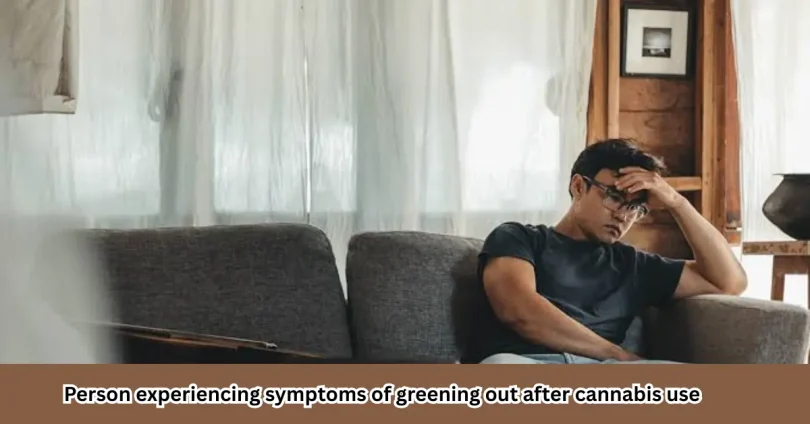

What is greening out? Greening out is a term used to describe the unpleasant physical and mental effects that can happen after consuming too much cannabis, especially products high in THC (tetrahydrocannabinol). While greening out is generally not life-threatening, it can be frightening and may lead to symptoms such as dizziness, nausea, vomiting, anxiety, paranoia, sweating, and confusion.
As cannabis products become more widely available in many parts of the world, understanding the risks of overconsumption is increasingly important. Edibles, vaping products, concentrates, and high-potency cannabis can increase the likelihood of greening out, particularly for first-time or occasional users.
This guide explains what greening out is, why it happens, common symptoms, how long it lasts, how to recover safely, and practical steps to reduce the risk in the future.
What Is Greening Out?
Greening out refers to experiencing negative effects after consuming more cannabis than your body can comfortably tolerate. It usually occurs because of excessive THC intake, although individual tolerance, body size, metabolism, and the method of consumption all play a role.
Unlike a cannabis overdose in the traditional sense, greening out is typically temporary. However, the symptoms can be intense enough to cause panic, especially if someone has never experienced them before.
Common situations that may lead to greening out include:
- Eating too many cannabis-infused edibles
- Using high-THC concentrates or dabs
- Smoking or vaping large amounts in a short period
- Mixing cannabis with alcohol
- Using cannabis with little or no previous experience
The effects usually improve with time and supportive care, but severe symptoms or concerns about other substances should always be evaluated by a healthcare professional.
Why Does Greening Out Happen?
Greening out happens when THC overstimulates the body’s endocannabinoid system, which helps regulate mood, memory, appetite, pain perception, and other functions.
When someone consumes more THC than their body can comfortably process, this overstimulation may disrupt normal brain and body functions, leading to unpleasant symptoms.
Several factors increase the risk.
High THC Potency
Modern cannabis products often contain significantly higher THC levels than older cannabis varieties. Concentrates, oils, vape cartridges, and some edibles may contain very high doses that can overwhelm inexperienced users.
Low Cannabis Tolerance
People who rarely use cannabis generally have a lower tolerance than frequent users. Even a relatively small amount may trigger uncomfortable reactions.
Edibles
Edibles deserve special attention because they take longer to produce noticeable effects—often between 30 minutes and two hours. Some people mistakenly believe the product is not working and consume more, resulting in delayed but much stronger intoxication.
Mixing Cannabis with Alcohol
Alcohol may increase THC absorption and worsen dizziness, nausea, impaired judgment, and vomiting. Using both substances together can significantly increase the likelihood of greening out.
Individual Differences
Every person’s response to cannabis is unique. Factors such as:
- Age
- Body weight
- Metabolism
- Overall health
- Current medications
- Mental health conditions
can all influence how cannabis affects the body.
Symptoms of Greening Out
The symptoms of greening out vary from person to person. Some individuals experience mainly physical discomfort, while others notice significant psychological symptoms.
Physical Symptoms
Common physical symptoms include:
- Dizziness
- Lightheadedness
- Nausea
- Vomiting
- Sweating
- Pale skin
- Rapid heartbeat
- Dry mouth
- Loss of coordination
- Feeling weak or shaky
Some people may also feel as though the room is spinning or have difficulty standing.
Mental and Emotional Symptoms
THC can also affect thoughts and emotions.
Common psychological symptoms include:
- Anxiety
- Panic attacks
- Paranoia
- Confusion
- Difficulty concentrating
- Feeling disconnected from reality
- Restlessness
- Fear that something is seriously wrong
what is greening out Although these symptoms can feel overwhelming, they generally improve as THC levels gradually decrease.
Greening Out vs. Being High
Many people wonder whether greening out is simply another way of describing being very high.
The answer is no.
| Being High | Greening Out |
|---|---|
| Pleasant or relaxing experience | Distressing and uncomfortable experience |
| Mild euphoria | Intense anxiety or panic |
| Increased appetite | Nausea and vomiting |
| Relaxation | Dizziness and weakness |
| Manageable effects | Symptoms may interfere with normal functioning |
The key difference is that greening out causes significant discomfort rather than the desired effects many people associate with cannabis use.
How Long Does Greening Out Last?
The duration depends on several factors, including:
- The amount of THC consumed
- Whether cannabis was smoked, vaped, or eaten
- Individual metabolism
- Cannabis tolerance
- Whether alcohol or other substances were also used
For smoked or vaped cannabis, symptoms often begin within minutes and may improve over several hours.
For edibles, symptoms may take much longer to appear and can last significantly longer because THC is absorbed through the digestive system.
Some people feel completely recovered after several hours, while others may experience fatigue or mild brain fog into the next day.
What to Do if Someone Is Greening Out
If someone is greening out, the first priority is helping them remain safe and calm. While the experience is usually temporary, panic can make symptoms feel much worse.
Helpful steps include:
- Move to a quiet, comfortable environment.
- Encourage slow, steady breathing.
- Sip water regularly to stay hydrated.
- Sit or lie down if feeling dizzy.
- Avoid consuming more cannabis or alcohol.
- Stay with a trusted friend if possible.
- Rest until the symptoms gradually improve.
If symptoms become severe—such as difficulty breathing, loss of consciousness, chest pain, seizures, or concerns about other substances—seek emergency medical care immediately.
How to Prevent Greening Out
The best way to avoid greening out is to consume cannabis responsibly and understand your personal tolerance. Because everyone reacts differently, there is no universally “safe” amount of THC.
Start Low and Go Slow
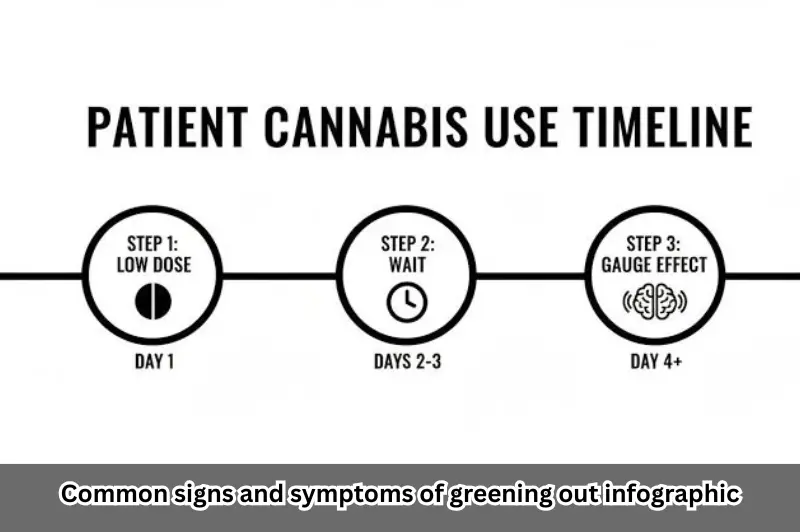
If you choose to use cannabis, begin with a low THC dose and wait long enough before consuming more.
what is greening outFor edible products, wait at least 2–3 hours before deciding whether you need another dose. Many cases of greening out occur because people mistakenly assume the edible is not working and take more.
Know the THC Content
Always check the product label for THC concentration. High-potency cannabis products, including concentrates and vape cartridges, are more likely to cause unpleasant effects.
Avoid Mixing Cannabis and Alcohol
Combining cannabis with alcohol can increase intoxication and make symptoms like nausea, dizziness, and impaired coordination more severe.
Stay Hydrated and Eat Beforehand
Using cannabis on an empty stomach may increase discomfort for some people. Drinking water and eating a balanced meal beforehand may help reduce nausea and lightheadedness.
Use Cannabis in a Safe Environment
Being around trusted friends in a comfortable setting can help reduce anxiety if unexpected effects occur.
Can Greening Out Have Long-Term Effects?
For most people, greening out does not cause permanent physical harm. Symptoms usually resolve as THC leaves the body.
However, repeated episodes of cannabis overuse may have broader health implications, including:
- Increased risk of cannabis dependence
- Problems with concentration and memory while intoxicated
- Reduced academic or work performance
- Worsening anxiety in some individuals
- Greater likelihood of accidents due to impaired coordination
People with existing mental health conditions should be especially cautious, as high doses of THC may worsen anxiety or trigger distressing psychological symptoms.
When Should You Seek Medical Help?
Although greening out is often temporary, medical evaluation is important if symptoms are severe or unusual.
Seek emergency medical care if someone experiences:
- Difficulty breathing
- Chest pain
- Seizures
- Loss of consciousness
- Persistent vomiting leading to dehydration
- Severe confusion that does not improve
- Suspected use of unknown or contaminated substances
- Symptoms after consuming cannabis with other drugs
When in doubt, it is safer to contact emergency medical services or visit the nearest healthcare facility.
Greening Out vs. Cannabis Poisoning
Although these terms are sometimes used interchangeably, they are not exactly the same.
| Greening Out | Cannabis Poisoning |
|---|---|
| Informal term | Medical term |
| Usually caused by excessive THC | Refers to clinically significant cannabis toxicity |
| Often managed with rest and observation | May require medical assessment |
| Symptoms usually improve over time | Severe cases may need hospital care |
what is greening out Regardless of the terminology, severe symptoms should always be taken seriously.
Common Mistakes That Increase the Risk
what is greening out Avoid these common errors:
- Taking another edible too soon
- Assuming stronger cannabis produces a better experience
- Mixing cannabis with alcohol or other drugs
- Ignoring THC potency on product labels
- Using cannabis alone for the first time
- Driving or operating machinery while intoxicated
Recognizing these mistakes can help reduce the likelihood of future episodes.
Practical Tips for a Safer Experience
If you choose to use cannabis, consider these practical recommendations:
- Buy products only from regulated sources where available.
- Read product labels carefully.
- Store cannabis safely away from children and pets.
- Have water available.
- Stay with trusted people if trying a new product.
- Stop consuming immediately if you begin feeling uncomfortable.
Responsible use starts with understanding both the desired effects and the potential risks.
Internal Linking Opportunity
For more evidence-based information about cannabis and its health effects, visit the Centers for Disease Control and Prevention (CDC).
Trusted External Reference
For evidence-based information about cannabis, THC, and potential health effects, visit the U.S. Centers for Disease Control and Prevention (CDC): https://www.cdc.gov/cannabis/
Frequently Asked Questions
1. What is greening out?
what is greening out is the term used to describe unpleasant physical and psychological symptoms that occur after consuming too much cannabis, particularly THC. Symptoms commonly include dizziness, nausea, vomiting, anxiety, sweating, and confusion. While the experience is usually temporary, severe symptoms should be assessed by a healthcare professional.
2. How long does greening out usually last?
The duration depends on the amount consumed, THC potency, and the method of use. Smoking or vaping may cause symptoms that improve within a few hours, while edible cannabis can produce effects that last much longer. Some people may feel tired or mentally foggy until the following day.
3. Can greening out be dangerous?
Most cases resolve without long-term harm. However, severe vomiting, loss of consciousness, breathing difficulties, chest pain, seizures, or symptoms involving multiple substances require immediate medical attention. It’s always best to err on the side of caution if symptoms seem unusual or severe.
4. Can first-time cannabis users green out more easily?
Yes. Individuals with little or what is greening outno cannabis experience generally have lower THC tolerance, making them more likely to experience greening out. Starting with a low dose and waiting before consuming more can help reduce the risk.
5. How can I reduce the chances of greening out?
what is greening out Use low-THC products when possible, avoid mixing cannabis with alcohol, understand product potency, stay hydrated, eat beforehand, and wait long enough before taking additional doses—especially with edibles. Consuming cannabis in a safe environment with trusted people may also help.
Conclusion
what is greening outis an uncomfortable reaction to consuming more cannabis than your body can tolerate. Although it is generally temporary, the symptoms can be intense and may include nausea, dizziness, anxiety, vomiting, sweating, and confusion. Understanding THC potency, using cannabis responsibly, avoiding alcohol, and recognizing your personal limits can significantly reduce the risk.
If you or someone else experiences severe or persistent symptoms, seek medical attention promptly. Learning the signs of greening out and responding calmly can make the experience safer and less distressingUnderstanding what is greening out can help you recognize the symptoms early and respond safely. Knowing your limits and using cannabis responsibly can reduce the risk of experiencing a greening out episode.