

Introduction
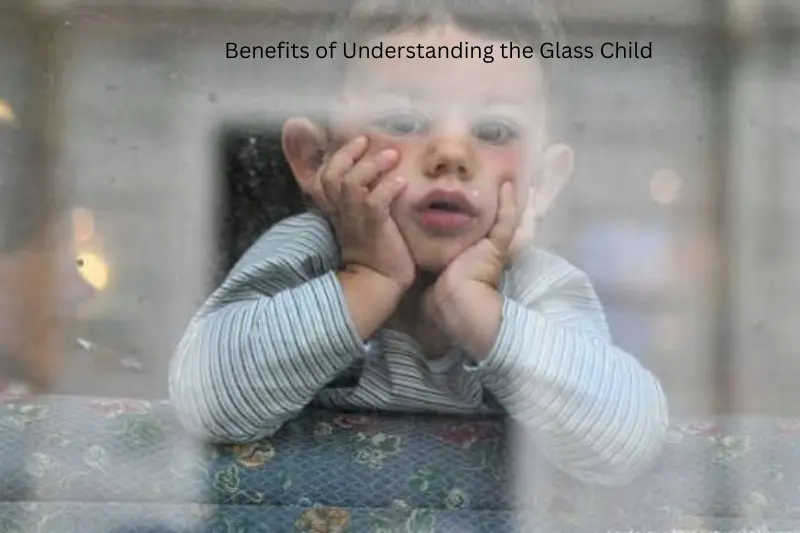
The term glass child has gained increasing attention in recent years as more families, educators, and mental health professionals recognize the unique experiences of children who grow up alongside a sibling with special needs, chronic illness, disability, or significant behavioral challenges. These children are often called “glass children” because parents and caregivers may unintentionally look through them, focusing most of their attention on the sibling who requires additional care and support.
Being a glass child does not mean a child is neglected intentionally. In many families, parents are doing their best to balance responsibilities while managing complex medical, emotional, or developmental needs. However, the child who appears independent, responsible, and understanding may quietly struggle with feelings of loneliness, pressure, guilt, or invisibility.
Understanding the glass child experience is essential because these children often develop emotional patterns that continue into adulthood. They may become people-pleasers, struggle with self-worth, avoid expressing their needs, or take on excessive responsibilities. At the same time, many glass children develop remarkable strengths such as empathy, resilience, maturity, and compassion.
This guide explains what a glass child is, why the concept matters, how families can identify signs of emotional struggle, and practical steps that parents, caregivers, and educators can take to provide better support. Whether you are a parent, sibling, teacher, or simply interested in family dynamics, this comprehensive guide will help you better understand the hidden challenges and strengths of a glass child.
What Is a Glass Child?
A glass child is a child whose sibling has significant medical, developmental, mental health, or behavioral needs that require substantial parental attention. Because so much focus is directed toward the child with special needs, the other sibling may feel overlooked or emotionally invisible despite appearing capable and independent.
The term does not suggest that parents do not love or care about their other children. Instead, it highlights a family dynamic where one child’s needs naturally demand more time, energy, and resources. As a result, the glass child may learn to suppress their emotions, avoid asking for help, and become overly responsible at a young age. Many glass children appear mature beyond their years, but internally they may struggle with unmet emotional needs, loneliness, or confusion about their role within the family.
Why Is Glass Child Important?

Understanding the glass child phenomenon is important because emotional challenges experienced during childhood can affect relationships, confidence, communication styles, and mental health throughout life. Many glass children become experts at hiding their feelings, making it difficult for adults around them to recognize when support is needed.
Awareness helps families create healthier relationships and ensure that every child feels seen, valued, and heard. By acknowledging the experiences of glass children, parents can better balance attention among siblings and create opportunities for emotional connection. Early recognition can also prevent long-term issues such as anxiety, depression, resentment, low self-esteem, and chronic stress.
Step-by-Step Guide to Understanding and Supporting a Glass Child
Step 1: Recognize the Family Dynamic
The first step is understanding that families with children who have special needs often face unique pressures. Medical appointments, therapy sessions, emergencies, and daily caregiving responsibilities can consume significant time and energy.
Parents should honestly evaluate whether one child consistently receives most of the family’s attention and whether another child has learned to manage independently without sufficient emotional support.
Step 2: Learn the Common Signs of a Glass Child
Glass children often display behaviors that adults mistakenly interpret as maturity or self-sufficiency. Some common signs include avoiding conflict, rarely asking for help, excelling academically to gain recognition, or becoming overly responsible.
Other signs may include withdrawing socially, experiencing anxiety, feeling guilty about personal achievements, or struggling to express emotions openly.
Step 3: Encourage Open Communication
Children need safe opportunities to discuss their feelings without fear of judgment. Parents should regularly ask questions about emotions, friendships, school experiences, and concerns.
Open communication allows glass children to share frustrations, fears, and disappointments before those feelings become overwhelming. Consistent conversations also help children understand that their needs matter just as much as anyone else’s.
Step 4: Create Individual Time
Dedicated one-on-one time is one of the most effective ways to support a glass child. Even small amounts of uninterrupted attention can help a child feel valued and important.
Parents can schedule regular activities such as walks, meals, games, or conversations that focus entirely on the child without distractions or interruptions from caregiving responsibilities.
Step 5: Validate Emotions
Many glass children feel guilty when they experience negative emotions toward their sibling or family situation. They may believe they should always be understanding and supportive.
Parents should reassure children that all emotions are normal. Feeling frustrated, jealous, sad, or overwhelmed does not make someone a bad sibling. Emotional validation helps children develop healthy coping skills and self-acceptance.
Step 6: Avoid Excessive Responsibility
Glass children are often expected to help with caregiving duties. While age-appropriate responsibilities can build character, excessive expectations may create emotional burdens.
Children should not feel responsible for managing family crises, caring for siblings beyond their capabilities, or sacrificing their own needs to maintain family stability.
Step 7: Celebrate Individual Achievements
Achievements and milestones deserve recognition regardless of family circumstances. Parents should actively celebrate accomplishments, interests, talents, and personal growth.
Acknowledging successes helps build confidence and reminds glass children that their efforts and achievements are important.
Step 8: Build a Support Network
Teachers, relatives, counselors, coaches, and trusted family friends can provide valuable emotional support. A strong support network gives children additional adults who can listen, encourage, and validate their experiences.
Having multiple sources of support can reduce feelings of isolation and provide healthy perspectives on family challenges.
Step 9: Consider Professional Guidance
If a child shows signs of anxiety, depression, anger, withdrawal, or emotional distress, professional counseling may be beneficial. Therapy provides a safe environment to explore feelings and develop coping strategies.
Early intervention can help prevent emotional difficulties from becoming long-term problems.
Step 10: Promote Healthy Boundaries
Glass children often prioritize others’ needs above their own. Teaching healthy boundaries helps them recognize their right to personal space, emotional expression, and self-care.
Learning boundaries during childhood can improve relationships and emotional well-being throughout adulthood.
Benefits of Understanding the Glass Child
- Improves family communication
- Helps children feel valued and understood
- Reduces emotional isolation
- Strengthens sibling relationships
- Encourages healthy emotional development
- Supports mental health and well-being
- Prevents long-term emotional difficulties
- Increases parental awareness
- Builds stronger family connections
- Encourages balanced family dynamics
- Promotes self-confidence
- Helps children develop healthy coping skills
- Reduces feelings of guilt and resentment
- Creates a more supportive home environment
- Encourages emotional resilience
Disadvantages / Risks
- Feelings of invisibility within the family
- Emotional neglect despite good intentions
- Increased risk of anxiety and depression
- Difficulty expressing personal needs
- Low self-esteem and self-worth issues
- Excessive responsibility at a young age
- Resentment toward siblings or parents
- Chronic stress and emotional exhaustion
- Social withdrawal and loneliness
- People-pleasing tendencies
- Difficulty setting boundaries
- Fear of burdening others
- Guilt about personal success
- Relationship challenges in adulthood
- Increased risk of burnout
Common Mistakes to Avoid
One common mistake is assuming that a quiet or independent child is emotionally fine. Many glass children learn to hide their struggles because they do not want to add stress to the family. Parents should check in regularly even when children seem capable and responsible.
Another mistake is comparing siblings or expecting the glass child to be constantly understanding. While empathy is valuable, children need permission to express all emotions honestly. Families should also avoid placing excessive caregiving responsibilities on children or overlooking achievements because other family needs appear more urgent. Consistent emotional support, recognition, and communication are essential for maintaining balance within the family.
FAQs
1. What does the term glass child mean?
A glass child is a child whose sibling has significant medical, developmental, or behavioral needs that receive much of the family’s attention. The child may feel emotionally overlooked even when loved and cared for.
2. Why are they called glass children?
The term suggests that parents and others may unintentionally look through them like glass because attention is focused on the sibling with greater needs. It reflects invisibility rather than a lack of love.
3. Can a glass child develop mental health issues?
Yes. Some glass children experience anxiety, depression, low self-esteem, stress, or feelings of isolation. Early support and open communication can reduce these risks.
4. Do all siblings of children with special needs become glass children?
No. Every family is different. Some families successfully balance attention and emotional support among all children. However, the risk increases when one child’s needs consistently dominate family resources and attention.
5. What strengths do glass children often develop?
Many develop empathy, resilience, maturity, patience, compassion, adaptability, and strong problem-solving skills. These strengths often emerge from their unique family experiences.
6. How can parents support a glass child?
Parents can provide one-on-one time, encourage open communication, validate emotions, celebrate achievements, reduce excessive responsibilities, and seek professional help when needed.
7. Can adults still be affected by being a glass child?
Yes. Adults who were glass children may struggle with boundaries, self-worth, people-pleasing, or emotional expression. Awareness and therapy can help address these patterns.
8. Is it wrong for a glass child to feel jealous?
No. Jealousy, frustration, sadness, and anger are normal human emotions. Children should be encouraged to discuss these feelings openly without shame or guilt.
Expert Tips & Bonus Points
Parents should schedule regular individual time with each child, even if only for a short period. Consistency often matters more than duration when building emotional connections.
Families should encourage children to participate in hobbies, sports, clubs, and activities that allow them to develop their own identity outside of family caregiving dynamics. Maintaining personal interests can strengthen confidence and independence.
Educators and relatives should remain attentive to quiet children who appear exceptionally mature. Sometimes the children who seem strongest are the ones carrying the greatest emotional burdens. Professional counseling should be considered whenever emotional distress begins affecting daily life, relationships, school performance, or overall well-being.
Understanding the challenges of a glass child can help families create a healthier environment for every sibling. If you want to learn more about emotional well-being and family relationships, check out our Childhood Trauma Test Guide for additional insights and support strategies.
Mental health professionals emphasize the importance of recognizing the emotional needs of glass children. According to research published by the American Psychological Association (APA), early emotional support can significantly improve long-term well-being and resilience.
Conclusion
The concept of a glass child shines a light on an often-overlooked family experience. While children who grow up alongside siblings with significant needs may appear mature, independent, and resilient, they can also face emotional challenges that remain hidden from those around them. Their struggles are often not the result of intentional neglect but rather the complex realities of family life when one child requires extraordinary care and attention.
Recognizing the experiences of glass children allows families to create healthier relationships built on communication, empathy, and balance. By providing emotional validation, dedicated attention, opportunities for self-expression, and appropriate support, parents can help ensure that every child feels valued and understood. Small changes in daily family interactions can have a lasting impact on a child’s emotional well-being.
Glass children possess remarkable strengths, including compassion, maturity, and resilience. When these strengths are supported with proper emotional care, they can thrive both during childhood and throughout adulthood. Understanding their experiences is the first step toward creating family environments where every child feels seen, heard, appreciated, and loved. By increasing awareness and taking proactive steps, families can foster stronger connections and healthier futures for all children involved.