
Narcissistic abuse is a pattern of emotional and psychological manipulation used by someone with narcissistic traits to gain control over another person. Unlike ordinary relationship conflict, narcissistic abuse often involves repeated manipulation, gaslighting, criticism, and emotional control that can gradually damage a person’s confidence, mental health, and sense of identity.
Whether the abuse happens in a romantic relationship, within a family, at work, or in a friendship, its effects can be long-lasting. Many people struggle to recognize narcissistic abuse because it usually develops slowly rather than appearing all at once.
This guide explains what narcissistic abuse is, how to recognize its warning signs, its emotional and psychological effects, and practical steps that can support healing and recovery.
What Is Narcissistic Abuse?

Narcissistic abuse is a repeated pattern of emotional, verbal, psychological, or sometimes financial manipulation by someone who consistently prioritizes their own needs while disregarding the feelings and boundaries of others.
A person displaying narcissistic behaviors may seek admiration, control conversations, reject responsibility for harmful actions, and manipulate others to maintain power in the relationship.
It’s important to remember that having narcissistic traits is not the same as having Narcissistic Personality Disorder (NPD). Only a qualified mental health professional can diagnose a personality disorder. However, abusive behaviors can occur regardless of whether someone has a formal diagnosis.
Common Characteristics of Narcissistic Abuse
Some common patterns include:
- Constant criticism disguised as “helpful advice”
- Gaslighting that makes you question your memory
- Emotional manipulation
- Controlling behaviors
- Lack of empathy
- Blame-shifting
- Silent treatment
- Love bombing followed by emotional withdrawal
- Isolation from friends and family
These behaviors often happen repeatedly, making it difficult for the victim to recognize the unhealthy dynamic.
Signs of Narcissistic Abuse
Recognizing narcissistic abuse can be difficult because abusive relationships often begin with affection, attention, and intense emotional connection.
Some of the most common warning signs include:
1. Love Bombing
At the beginning of the relationship, the person may overwhelm you with:
- Excessive compliments
- Expensive gifts
- Constant communication
- Promises about the future
Although genuine affection is healthy, love bombing often creates emotional dependence before controlling behaviors appear.
2. Gaslighting
Gaslighting is one of the most recognizable forms of narcissistic abuse.
Examples include:
- “That never happened.”
- “You’re imagining things.”
- “You’re too sensitive.”
- “Everyone agrees you’re overreacting.”
Over time, victims may lose confidence in their own memory and judgment.
3. Constant Criticism
Instead of offering constructive feedback, the abusive person regularly criticizes your:
- Appearance
- Intelligence
- Career
- Parenting
- Personality
- Decisions
This ongoing criticism gradually lowers self-esteem and increases emotional dependence.
4. Emotional Manipulation
Manipulation may include:
- Guilt trips
- Playing the victim
- Threatening to leave
- Giving the silent treatment
- Withholding affection until demands are met
These tactics make it difficult to maintain healthy emotional boundaries.
The Emotional Effects of Narcissistic Abuse
Narcissistic abuse can affect nearly every aspect of daily life. Many survivors report feeling emotionally exhausted long after the relationship has ended.
Common emotional effects include:
- Anxiety
- Depression
- Low self-esteem
- Difficulty trusting others
- Chronic self-doubt
- Shame and guilt
- Emotional numbness
- Fear of making mistakes
- Trouble making decisions
- Feeling isolated or misunderstood
Some people may also experience symptoms associated with trauma, especially after prolonged emotional abuse. While not everyone develops a mental health condition, persistent distress should be evaluated by a licensed mental health professional.
Why Narcissistic Abuse Is Difficult to Recognize

Many survivors ask themselves, “Why didn’t I leave sooner?”
The answer is rarely simple.
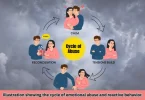
Narcissistic abuse often follows a repeating cycle:
- Idealization (love bombing)
- Devaluation (criticism and manipulation)
- Discard or emotional withdrawal
- Reconciliation or “hoovering”
Because moments of kindness may return after periods of abuse, victims often hope the relationship will improve. This cycle can create a powerful emotional attachment that makes leaving especially challenging.
Long-Term Effects of Narcissistic Abuse
Recovery from narcissistic abuse takes time because the impact often extends beyond the relationship itself. Even after contact has ended, survivors may continue to struggle with emotional wounds and unhealthy thought patterns that developed over months or years.
Some long-term effects may include:
- Persistent anxiety or fear of conflict
- Difficulty trusting people
- Low self-worth and self-confidence
- Hypervigilance or constantly expecting criticism
- Trouble setting healthy boundaries
- Emotional exhaustion
- People-pleasing behaviors
- Difficulty recognizing healthy relationships
Not everyone experiences these effects, and healing looks different for each person. Seeking support early can make recovery more manageable.
Narcissistic Abuse vs. a Healthy Relationship
Understanding the difference between abusive behavior and healthy relationship dynamics can help you identify red flags more clearly.
| Narcissistic Abuse | Healthy Relationship |
|---|---|
| Control and manipulation | Mutual respect |
| Frequent criticism | Constructive communication |
| Gaslighting | Honest and open conversations |
| Lack of empathy | Emotional support and understanding |
| Blame shifting | Shared responsibility |
| Unpredictable affection | Consistent care and respect |
| Boundary violations | Healthy boundaries are respected |
Healthy relationships are not perfect, but they allow both people to feel safe, heard, and respected.
How to Recover from Narcissistic Abuse
Healing is possible, although it rarely happens overnight. Recovery involves rebuilding trust in yourself, processing your experiences, and developing healthier relationship patterns.
1. Acknowledge What Happened
The first step is recognizing that the abuse was real. Many survivors minimize their experiences or blame themselves.
Accepting the reality of the situation can be an important part of healing.
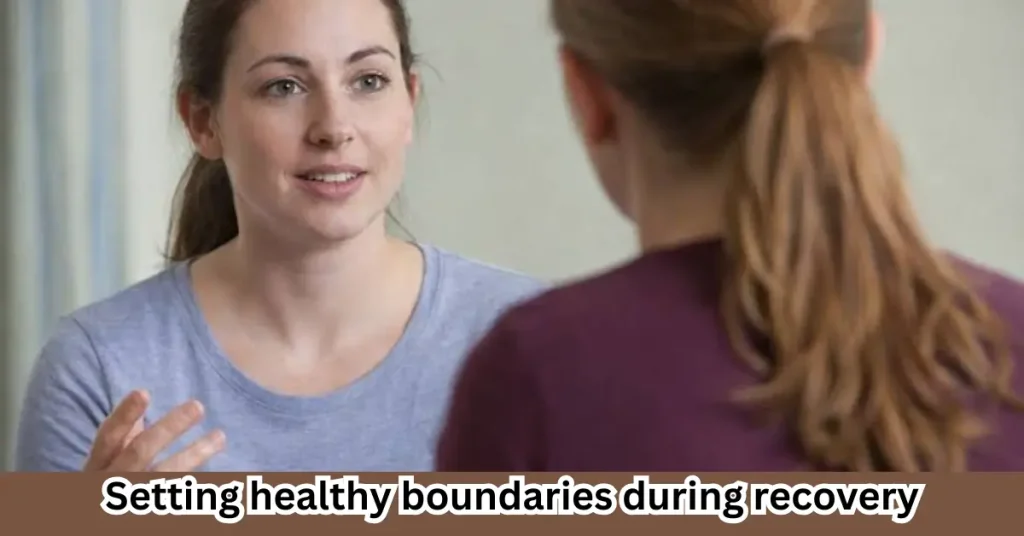
2. Establish Healthy Boundaries
Boundaries help protect your emotional well-being.
Examples include:
- Limiting contact when possible
- Saying “no” without guilt
- Protecting your personal time
- Avoiding unnecessary arguments
In some situations, people choose limited or no contact, particularly when it is safe and appropriate to do so.
3. Seek Professional Support
A licensed mental health professional can help you:
- Process emotional trauma
- Improve self-esteem
- Develop healthy coping skills
- Recognize unhealthy relationship patterns
- Build confidence for future relationships
Therapy is not a sign of weakness—it is a valuable tool for recovery.
4. Rebuild Your Support System
Narcissistic abuse often isolates people from friends and family.
Reconnect with trusted people who:
- Listen without judgment
- Respect your boundaries
- Encourage your healing
- Provide emotional support
Healthy relationships remind you what respectful communication looks like.
5. Practice Self-Compassion
Recovery involves treating yourself with the same kindness you would offer someone else.
Helpful practices include:
- Journaling
- Mindfulness exercises
- Regular physical activity
- Getting enough sleep
- Maintaining healthy routines
- Celebrating small progress
Healing is rarely linear, and setbacks do not mean you’re failing.
Common Mistakes During Recovery
Many survivors unintentionally slow their healing by falling into common patterns.
Avoid these mistakes when possible:
- Expecting recovery to happen quickly
- Blaming yourself for the abuse
- Ignoring your emotional needs
- Returning to unhealthy relationships without clear changes
- Isolating yourself from supportive people
- Comparing your recovery to someone else’s
Progress often comes through small, consistent steps rather than dramatic changes.
Practical Tips for Healing
If you’re beginning your recovery journey, these strategies may help:
- Learn about emotional abuse from trusted mental health resources.
- Keep a journal to track thoughts and feelings.
- Focus on rebuilding hobbies and interests.
- Spend time with supportive friends and family.
- Practice healthy boundaries in everyday situations.
- Give yourself permission to heal at your own pace.
Mental Health Support
If you’re exploring recovery from narcissistic abuse, you may also find our resources on helpful. These related articles provide additional guidance on emotional well-being, therapy options, trauma recovery, and building healthier relationships.
For evidence-based information about emotional abuse, trauma, and mental health, visit the National Institute of Mental Health (NIMH): https://www.nimh.nih.gov.
Frequently Asked Questions
1. What is narcissistic abuse?
Narcissistic abuse is a pattern of emotional or psychological manipulation in which one person uses control, gaslighting, criticism, or other harmful behaviors to dominate another. These behaviors can significantly affect a person’s confidence, emotional health, and relationships over time.
2. Can narcissistic abuse happen outside romantic relationships?
Yes. Narcissistic abuse can occur in families, friendships, workplaces, and other relationships. Anyone who consistently uses manipulation, control, or emotional intimidation can create an abusive dynamic, regardless of the relationship type.
3. How long does it take to recover from narcissistic abuse?
Recovery varies from person to person. Factors such as the length of the relationship, available support, and access to therapy can all influence healing. Many people gradually regain confidence and emotional stability with time and appropriate support.
4. Is narcissistic abuse the same as Narcissistic Personality Disorder?
No. Narcissistic abuse refers to harmful behaviors, while Narcissistic Personality Disorder (NPD) is a diagnosable mental health condition. A person can display narcissistic behaviors without meeting the diagnostic criteria for NPD. Only a qualified mental health professional can diagnose NPD.
5. When should I seek professional help?
Consider seeking professional support if the effects of narcissistic abuse interfere with your daily life, relationships, work, or emotional well-being. A licensed therapist can help you process your experiences and develop healthy coping strategies.
Conclusion
Narcissistic abuse can have profound emotional and psychological effects, but recovery is possible. Learning to recognize the warning signs, understanding how manipulation works, and rebuilding healthy boundaries are important steps toward healing. Remember that your experiences are valid, and seeking support from trusted friends, family members, or a qualified mental health professional can make a meaningful difference. With patience, self-compassion, and the right resources, you can regain confidence, restore your sense of self, and build healthier relationships in the future.