
Introduction
Glass child syndrome is a term used to describe the emotional experience of children who grow up with a sibling who has a chronic illness, disability, mental health condition, or other significant care needs. Although these children are deeply loved, they often feel overlooked because so much attention is focused on their sibling. Over time, this can affect their emotional well-being, relationships, and sense of identity.
Glass child syndrome is not an official mental health diagnosis. Instead, it describes a pattern of experiences shared by many siblings in caregiving families. Like glass, these children often feel that adults can “see through” them, assuming they are coping well while their own emotional needs remain unnoticed.
This article explains what glass child syndrome is, its common signs, causes, long-term effects, and practical ways individuals and families can support healing.
What Is Glass Child Syndrome?
Glass child syndrome refers to the emotional challenges experienced by siblings of children with complex medical, developmental, or mental health needs.
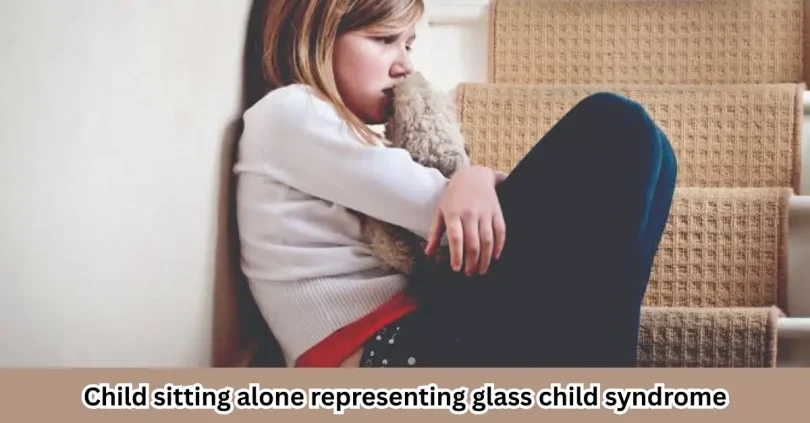
The phrase “glass child” reflects how these siblings often feel invisible. Parents may unintentionally devote most of their time and emotional energy to the child requiring additional care, leaving the other sibling to become more independent than expected for their age.
It is important to remember that this situation is rarely caused by a lack of parental love. Instead, it often develops because families are managing extraordinary responsibilities and difficult circumstances.
Why Is It Called “Glass Child Syndrome”?
The term was introduced to highlight how some siblings feel that adults look through them instead of at them.
Many glass children are viewed as:
- Mature beyond their years
- Independent
- Responsible
- Easy to manage
- Low maintenance
Because they rarely create problems, adults may assume they don’t need emotional support. As a result, their struggles often remain unnoticed for years.
Common Signs of Glass Child Syndrome
Not every sibling experiences the same challenges, but several emotional and behavioral patterns are common.
1. Feeling Invisible
Many glass children believe their achievements, worries, or emotions receive less attention than their sibling’s needs.
Examples include:
- Feeling ignored during family conversations
- Believing their accomplishments go unnoticed
- Avoiding asking for help
2. Becoming Overly Independent
Many children learn to solve problems on their own because they don’t want to add stress to the family.
While independence is valuable, excessive self-reliance can make it difficult to seek help later in life.
3. People-Pleasing Behavior
Some glass children become highly focused on keeping everyone happy.
They may:
- Avoid conflict
- Hide negative emotions
- Put others’ needs before their own
- Feel guilty about expressing disappointment
4. Guilt About Their Own Needs
A child may think:
- “My sibling has it harder.”
- “My problems aren’t important.”
- “I shouldn’t complain.”
Over time, this mindset can lead to emotional suppression and low self-worth.
5. Anxiety and Perfectionism
Many glass children try to become the “perfect child” to avoid creating additional stress.
Signs may include:
- Fear of making mistakes
- High academic pressure
- Constant self-criticism
- Difficulty relaxing
What Causes Glass Child Syndrome?
Glass child syndrome usually develops because families must balance limited time, emotional energy, and resources.
Common contributing factors include:
A Sibling’s Serious Medical Condition
Children with chronic illnesses often require:
- Frequent medical appointments
- Hospital stays
- Specialized treatments
- Constant supervision
Naturally, parents spend significant time meeting these needs.
Developmental Disabilities
Conditions such as autism spectrum disorder or intellectual disabilities may require additional caregiving, therapy, and educational support.
As a result, siblings sometimes receive less individual attention, even when parents make every effort to be present for all children.
Mental Health Challenges
A sibling living with severe depression, anxiety, eating disorders, or another mental health condition may require ongoing emotional support and treatment.
This can change family routines and shift attention toward crisis management.
Long-Term Effects of Glass Child Syndrome
Without recognition and support, childhood experiences may continue into adulthood.
Possible long-term effects include:
| Childhood Experience | Possible Adult Impact |
|---|---|
| Feeling overlooked | Low self-esteem |
| Hiding emotions | Difficulty expressing feelings |
| Becoming overly responsible | Caregiver burnout |
| Seeking perfection | Anxiety and chronic stress |
| Avoiding conflict | Relationship challenges |
It’s important to remember that these outcomes are not inevitable. Many people who identify with glass child syndrome develop healthy coping skills and fulfilling relationships, especially when they receive understanding and support.
How Glass Child Syndrome Can Affect Mental Health
Although glass child syndrome is not a diagnosis, the emotional experiences associated with it can contribute to mental health challenges.
Some individuals may experience:
- Chronic anxiety
- Depression
- Emotional exhaustion
- Feelings of loneliness
- Low confidence
- Difficulty setting boundaries
Recognizing these patterns early can help individuals seek appropriate support before they become more severe.
How Parents Can Support a Child Experiencing Glass Child Syndrome
Parents cannot always prevent the challenges associated with glass child syndrome, especially when one child has complex care needs. However, small, consistent actions can help every child feel seen, valued, and supported.
Spend One-on-One Time Together
Even 15–30 minutes of uninterrupted time can strengthen a child’s sense of connection. During this time, focus on their interests, listen without distractions, and let them know they matter.
Encourage Open Conversations
Children may hide their feelings because they don’t want to burden their parents. Regularly ask open-ended questions such as:
- “How have you been feeling lately?”
- “Is there anything you’ve wanted to talk about?”
- “What has been difficult for you this week?”
Respond with empathy rather than trying to immediately solve the problem.
Validate Their Emotions
A child can love their sibling while also feeling frustrated, lonely, or jealous. These emotions are normal and do not make them selfish.
Simple statements like “I understand why you feel that way” can help children feel heard and accepted.
Celebrate Their Achievements
Take time to recognize milestones, hobbies, school accomplishments, and personal growth. Celebrating these moments reminds children that their successes are important too.
How Adults Can Heal From Glass Child Syndrome
Healing is possible at any stage of life. Many adults begin recognizing the effects of glass child syndrome only after entering college, starting relationships, or becoming parents themselves.
1. Acknowledge Your Experience
The first step is recognizing that your feelings are valid. Feeling overlooked in childhood does not mean your parents didn’t love you—it often reflects the challenges your family faced.
2. Learn to Express Your Needs
Practice communicating your thoughts and emotions honestly instead of automatically putting others first.
For example:
- Ask for help when needed.
- Share your opinions without apologizing.
- Set realistic expectations for yourself.
3. Build Healthy Boundaries
People who grew up feeling responsible for everyone else often struggle to say no.
Healthy boundaries may include:
- Protecting personal time
- Limiting emotional overcommitment
- Saying no without guilt
- Prioritizing self-care
4. Consider Professional Support
A licensed mental health professional can help individuals explore childhood experiences, develop healthier coping strategies, and improve self-esteem and relationships.
Therapy isn’t about assigning blame—it’s about understanding patterns and creating positive change.
Practical Tips for Coping With Glass Child Syndrome
If you recognize yourself in this experience, these strategies may help:
- Keep a journal to process emotions.
- Practice self-compassion instead of self-criticism.
- Stay connected with supportive friends or family members.
- Develop hobbies and interests that are uniquely yours.
- Practice mindfulness or relaxation techniques.
- Celebrate your own achievements without comparing yourself to others.
- Remember that asking for support is a sign of strength, not weakness.
Small, consistent changes often make the biggest difference over time.
Common Misconceptions About Glass Child Syndrome
Many misunderstandings surround this topic. Here are a few common myths:
| Myth | Reality |
|---|---|
| Glass child syndrome is a medical diagnosis. | It is a descriptive term, not a recognized clinical diagnosis. |
| Parents intentionally ignore one child. | Most parents are doing their best while managing complex caregiving responsibilities. |
| Every sibling develops glass child syndrome. | Experiences vary widely between families and individuals. |
| The effects last forever. | With awareness and support, many people heal and build healthy relationships. |
When Should Someone Seek Professional Help?
It may be helpful to speak with a mental health professional if these experiences begin affecting daily life.
Signs include:
- Persistent anxiety or sadness
- Difficulty maintaining relationships
- Constant feelings of guilt
- Emotional numbness
- Low self-esteem
- Trouble expressing emotions
- Ongoing stress that interferes with work, school, or personal life
Seeking help early can improve emotional well-being and strengthen coping skills.
Internal Linking Opportunity
If you’re exploring the emotional effects of glass child syndrome, you may also benefit from learning about family therapy, child and adolescent mental health, and coping strategies for caregiver families. These related resources can provide practical guidance for improving communication, strengthening family relationships, and supporting every member of the household.
(Replace this paragraph with links to your relevant Charlie Health articles.)
External Reference
For additional information about children’s mental health and family well-being, visit the American Academy of Pediatrics (AAP): https://www.aap.org/
Frequently Asked Questions
1. Is glass child syndrome a real mental health diagnosis?
No. Glass child syndrome is not listed as an official mental health diagnosis. It is a descriptive term used to explain the emotional experiences of siblings who may feel overlooked because a brother or sister requires significant care or attention. Even though it isn’t a diagnosis, the feelings associated with it are genuine and deserve recognition.
2. Can adults have glass child syndrome?
Yes. Many adults recognize the effects of glass child syndrome years after childhood. They may struggle with people-pleasing, perfectionism, difficulty expressing emotions, or feeling responsible for others. Understanding these patterns is often the first step toward healing and developing healthier relationships.
3. Does having a sibling with a disability always lead to glass child syndrome?
No. Every family is different. Many siblings grow up feeling supported and emotionally connected despite the challenges of caregiving. Open communication, individual attention, and emotional validation can greatly reduce the likelihood of feeling overlooked.
4. Can therapy help someone heal from glass child syndrome?
Yes. Therapy can help individuals understand how childhood experiences influence current thoughts, emotions, and behaviors. A therapist can also teach coping skills, improve self-esteem, strengthen boundaries, and support healthier relationships with family and others.
5. What is the biggest sign of glass child syndrome?
One of the most common signs is consistently feeling invisible or believing your emotional needs are less important than everyone else’s. Other signs include excessive independence, perfectionism, guilt about asking for help, and difficulty expressing emotions.
Conclusion
Glass child syndrome highlights the often-overlooked experiences of siblings growing up in families where one child requires significant care. Although these children may appear independent and resilient, they can quietly struggle with feelings of invisibility, guilt, anxiety, and emotional neglect.
Recognizing these experiences is an important first step toward healing. Whether you’re a parent, sibling, or adult reflecting on your childhood, open communication, emotional validation, healthy boundaries, and professional support can make a meaningful difference. Every child deserves to feel seen, heard, and valued.